Skip to content Skip to left sidebar Skip to right sidebar Skip to footer

News

Adventure Activities in Thekkady: Beyond the Jungle
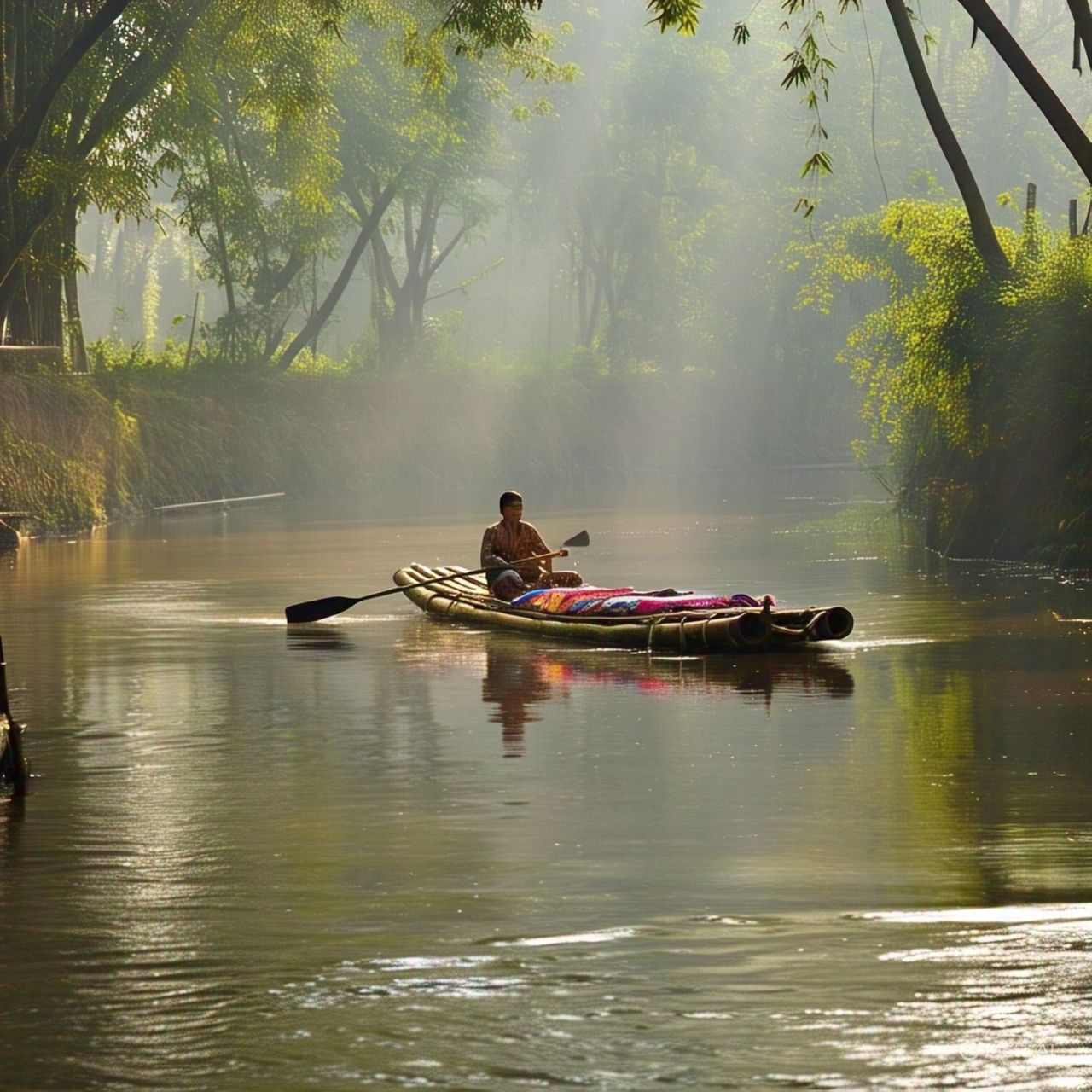
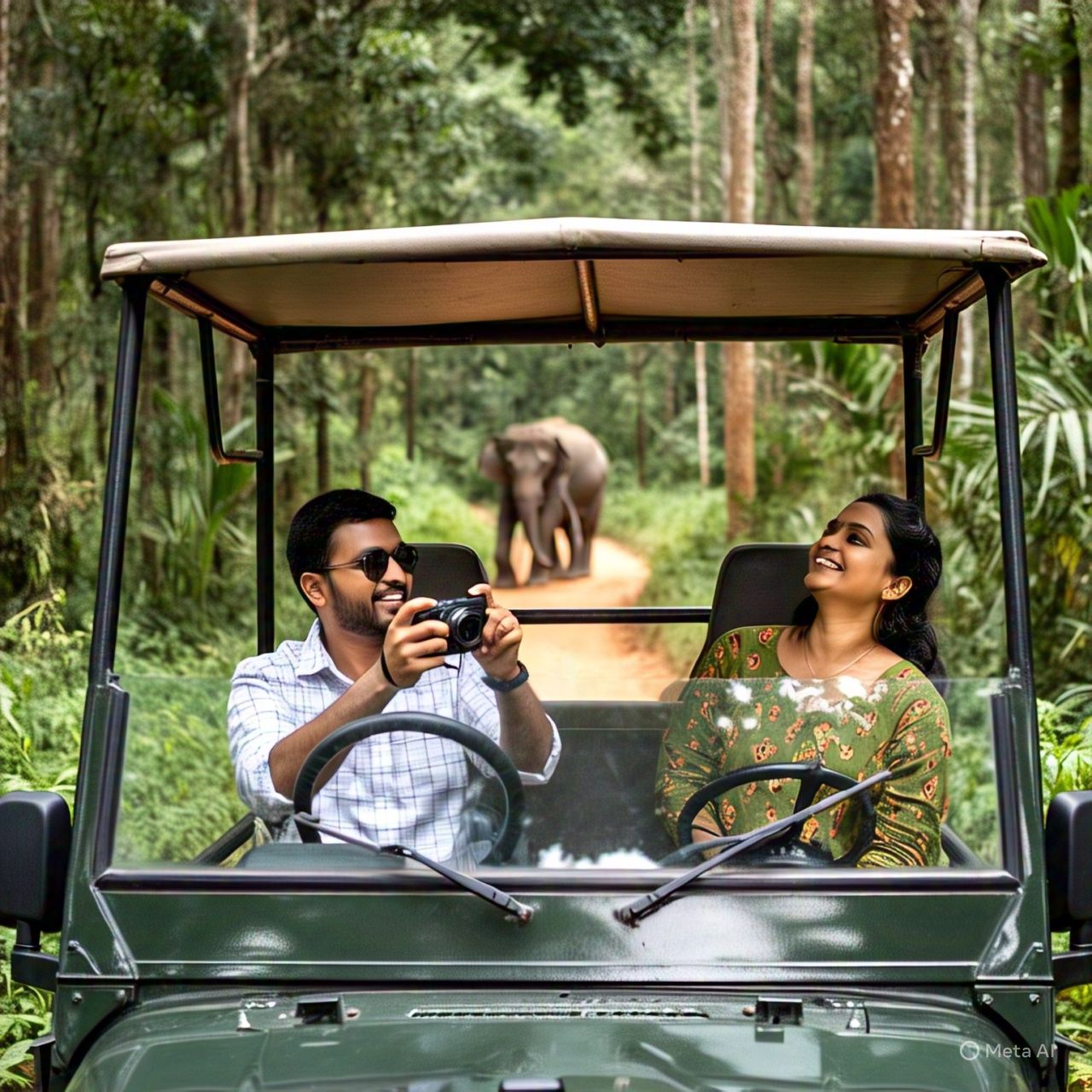
When most travelers think of Thekkady, visions of elephants, dense forests, and the serene Periyar Lake often come to mind. While Thekkady is renowned for its rich biodiversity and the iconic Periyar Wildlife Sanctuary, the region offers much more than jungle safaris and nature walks. For those seeking a thrilling and immersive experience, Thekkady is a hidden gem for adventure tourism in Kerala. From bamboo rafting and trekking to border hiking and cultural encounters, Thekkady provides a perfect blend of excitement, eco-tourism, and cultural discovery.

In this blog, we take you beyond the jungle to explore the top adventure activities in Thekkady, making it a must-visit destination for adrenaline junkies and nature lovers alike.


1. Bamboo Rafting in Periyar Lake: A Unique Water Adventure

One of the most distinctive and eco-friendly activities in Thekkady is bamboo rafting on the serene waters of Periyar Lake. Unlike motorboats, bamboo rafts provide a quiet, immersive experience amidst the tranquil forest surroundings. This activity is organized by the Forest Department and usually includes a trek through the forest before you board the raft.

Why It’s Special:

  • Offers breathtaking views of wildlife in their natural habitat.
  • A great opportunity for birdwatching and photography.
  • Promotes sustainable adventure tourism in Thekkady.


2. Jungle Patrol: A Night in the Wild

For thrill-seekers looking for something truly out of the ordinary, Jungle Patrol is a nighttime forest trekking activity conducted under the supervision of trained forest guards. You’ll explore the buffer zone of the Periyar Tiger Reserve between 7 PM and 4 AM.

What to Expect:

  • Patrolling the jungle trails on foot.
  • Learning about forest conservation from tribal guards.
  • Experiencing the forest at night, with a chance to hear nocturnal animals.

Transition: While the night brings mystery, daylight in Thekkady opens the door to even more exhilarating experiences.


3. Border Hiking: Trekking on the Edge

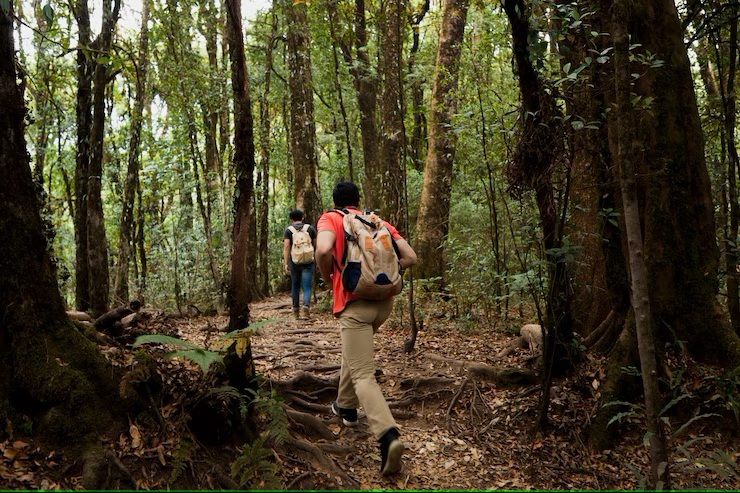
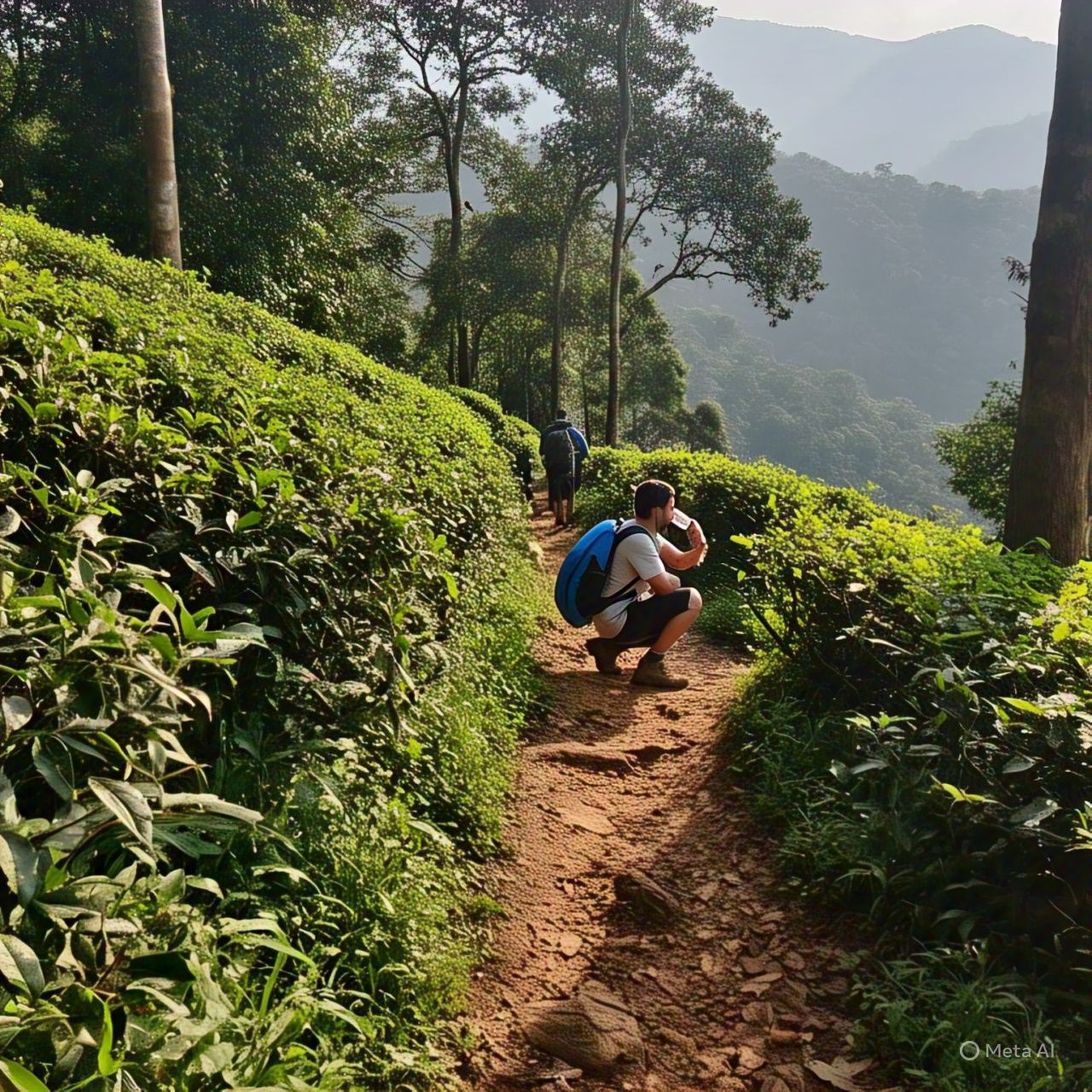
Border Hiking is another adrenaline-filled adventure in Thekkady, organized by the Forest Department. This full-day guided trek takes you through the higher altitudes of the Periyar Tiger Reserve, bordering Tamil Nadu.

Highlights:

  • Trekking through altitudes of 900 to 1300 meters.
  • Spotting wildlife like gaur, sloth bears, and sambar deer.
  • Panoramic views of the Western Ghats.

Why It’s Unique:
Unlike regular treks, border hiking is designed to protect forest boundaries and involves forest guards, making it both adventurous and purposeful.

SEO Keywords: border hiking Thekkady, adventure trekking Kerala, Thekkady trekking trails


4. Nature Walks and Green Walks: For Eco-Conscious Explorers

Although less intense, nature walks and green walks offer a fantastic way to discover the unique flora and fauna of the Periyar region. Led by trained naturalists, these walks are ideal for those looking to enjoy a mindful adventure in Thekkady.

Good to Know:

  • Walks are typically 2–3 hours.
  • Perfect for birdwatchers and amateur botanists.
  • Emphasis on responsible tourism and conservation.

Transition: If land adventures aren’t enough, Thekkady also invites you to take to the skies—or at least to the treetops.


5. Treehouse Stay: A Rustic Yet Adventurous Accommodation

Although technically not an “activity,” staying in a treehouse in Thekkady is an adventure on its own. These elevated eco-lodges offer stunning views of the forest and bring you closer to nature than ever before.

Experience Includes:

  • Waking up to the sounds of the forest.
  • Sunset views from above the canopy.
  • A unique blend of comfort and wilderness.


6. Boating in Periyar Lake: Scenic and Adventurous

While less intense than jungle patrol or border hiking, boating on Periyar Lake offers a different kind of thrill — the chance to spot wildlife along the shorelines while cruising through calm waters. Morning and evening rides provide a peaceful yet exciting adventure.

What Makes It Memorable:

  • Frequent sightings of elephants bathing along the banks.
  • A relaxing yet adventurous way to explore Periyar.
  • Ideal for families and first-time visitors.


7. Spice Plantation Tours with a Twist

Spice plantation tours are popular in Thekkady, but for the more curious traveler, some estates now offer hands-on experiences, like spice harvesting or even cooking classes using freshly picked spices.

Why It’s Adventurous:

  • Engage all five senses as you walk through aromatic gardens.
  • Learn to identify spices like cardamom, pepper, and clove.
  • Experience the thrill of culinary discovery in a natural setting.

Transition: Beyond physical activity, Thekkady offers cultural immersion that feeds the soul.


8. Tribal Heritage Walks: A Cultural Adventure

If you’re seeking a more grounded and culturally rich experience, the Tribal Heritage Walk is a must. Led by members of local tribal communities, this walk introduces travelers to the indigenous lifestyle and age-old traditions of Thekkady’s forest dwellers.

Key Elements:

  • Visit to a tribal village and heritage museum.
  • Traditional performance and art demonstrations.
  • Insights into forest survival skills and community life.


Conclusion: Thekkady – Where Nature Meets Adventure

Thekkady is not just a place to observe nature — it’s a destination that invites you to live it. Whether you’re rafting on bamboo boats, hiking forest borders, or discovering the ancient traditions of indigenous communities, adventure in Thekkady goes far beyond the jungle.

Moreover, Thekkady’s focus on eco-tourism and sustainable practices ensures that your adventures leave minimal impact on the environment. So, whether you’re an adventure enthusiast, a culture lover, or simply a traveler in search of the extraordinary, Thekkady offers a holistic and exhilarating escape into Kerala’s wild heart.
Thekkady’s Culinary Delights: A Taste of Tradition

Nestled in the heart of Kerala’s Western Ghats, Thekkady is not only famed for its wildlife-rich Periyar Tiger Reserve and verdant spice plantations but also for its traditional Kerala cuisine. The local food here is an aromatic fusion of spices, herbs, and age-old recipes passed down through generations. For food lovers and cultural enthusiasts alike, exploring Thekkady’s culinary delights is an essential part of the experience.

In this article, we take you on a flavorful journey through Thekkady’s best traditional dishes, local ingredients, food experiences, and where to find authentic meals that reflect the true taste of Kerala.


Thekkady’s Food Culture: A Blend of Spice and Simplicity

At the core of Thekkady’s food culture lies its close connection to nature. Surrounded by cardamom hills and pepper plantations, the region’s cuisine is naturally infused with aromatic spices. In fact, many of the dishes are inspired by the local harvest and seasonality, which gives the food a fresh and organic appeal.

Moreover, the culinary traditions of Thekkady are deeply rooted in Kerala’s heritage, drawing from both Hindu and Christian influences, and occasionally adopting tribal flavors from indigenous communities living near the forests.


Must-Try Traditional Dishes in Thekkady

Whether you’re enjoying a home-cooked meal at a homestay in Thekkady or dining at a rustic local eatery, the following dishes will give you a real taste of Kerala’s culinary soul.

1. Kerala Sadya (Traditional Feast)

A signature vegetarian meal served on a banana leaf, the Kerala Sadya consists of over a dozen small dishes including avial, thoran, sambar, olan, and pachadi. It’s traditionally served during festivals, but many restaurants in Thekkady offer Sadya on request.

2. Karimeen Pollichathu

This famous fish dish involves marinating pearl spot fish in a spicy masala mix, then wrapping it in a banana leaf and cooking it slowly. The result is a smoky, tangy, and deeply flavorful delicacy you shouldn’t miss.

3. Malabar Parotta with Beef Curry

Soft, flaky parottas paired with spicy beef curry is a Kerala street food staple that’s especially popular in Thekkady’s small cafés and roadside eateries.

4. Puttu and Kadala Curry

A traditional breakfast dish, puttu (steamed rice flour cylinders) served with black chickpea curry is both nutritious and delicious.

5. Appam with Stew

Appam, a soft-centered rice pancake, goes perfectly with vegetable or chicken stew made in a light coconut milk base. It’s a mild yet aromatic dish that’s often served at eco-resorts and homestays.


Street Food and Snacks You’ll Love

Thekkady isn’t just about elaborate meals. There’s a world of street food and quick bites that reflect the region’s love for spice and texture.

  • Banana chips fried in coconut oil – Crispy, savory snacks you can buy from any spice shop.
  • Vazhakka Bhajji – Deep-fried raw banana fritters, ideal with a cup of local tea.
  • Tapioca with fish curry – A rustic, filling dish often served in roadside dhabas.

Additionally, don’t forget to try fresh tender coconut water, which not only cools you down but also enhances digestion.


Where to Eat in Thekkady

Finding authentic food in Thekkady is easy if you know where to go. From plantation resorts to family-run cafés, there are plenty of options that celebrate local cuisine.

1. Grandma’s Café

A cozy, well-loved eatery that offers homemade Kerala dishes with a personal touch. The appams and fish curry are highly recommended.

2. Spice Village – CGH Earth

This eco-resort grows much of its food onsite. Their restaurant focuses on organic, locally sourced meals and allows guests to tour the gardens and interact with the chefs.

3. Bar-B-Que Restaurant

A favorite among tourists for its rustic ambiance and variety of grilled meats, especially the spice-marinated chicken.

4. Athidhi Restaurant

Centrally located and budget-friendly, this spot serves up Kerala thalis, seafood platters, and traditional snacks.


Culinary Experiences Beyond Dining

What sets Thekkady apart is not just what you eat, but how you experience it. More travelers today are seeking immersive culinary adventures, and Thekkady delivers on that front.

Spice Plantation Tours

Explore the rich spice culture of the region with guided walks through cardamom, pepper, and clove plantations. Many tours include tasting sessions and cooking demonstrations.

Cooking Classes with Locals

Several eco-lodges and homestays offer Kerala cooking classes, where guests can learn to prepare traditional dishes using fresh, locally sourced ingredients.

Farmers’ Markets and Spice Shops

Visit local markets in Kumily town for fresh produce, dried spices, pickles, and Kerala snacks. It’s a great way to understand regional food habits and take a piece of Thekkady home with you.


Health Benefits of Traditional Kerala Cuisine

Another compelling reason to enjoy traditional food in Thekkady is its health benefits. Kerala’s cuisine is naturally rich in:

  • Anti-inflammatory spices like turmeric, pepper, and ginger
  • Healthy fats from coconut and coconut oil
  • High-fiber foods like legumes and vegetables
  • Fermented and probiotic-rich dishes that aid digestion

Moreover, the moderate use of oil and sugar makes most dishes well-balanced and suitable for health-conscious travelers.


Sustainable Food Practices in Thekkady

As part of the region’s eco-tourism efforts, many restaurants and resorts in Thekkady are embracing farm-to-table dining and zero-waste kitchens. By using locally grown produce, eliminating plastic, and composting organic waste, these establishments promote a sustainable food culture that aligns with Kerala’s responsible tourism model.


Conclusion: A Journey Through Taste and Tradition

In conclusion, exploring Thekkady’s culinary delights is not just about satisfying your hunger—it’s about understanding a way of life, one that is deeply rooted in tradition, sustainability, and respect for nature. Whether you’re enjoying a spice-laden meal at an eco-lodge or learning to cook with a local family, every bite tells a story of Kerala’s rich heritage.

So, the next time you visit Thekkady, make sure your itinerary includes not just forest treks and boat rides, but also a gastronomic journey that introduces you to the heart of Kerala—through its food.


Thekkady’s Eco-Lodges: A New Trend in Accommodation


Set against the breathtaking backdrop of the Western Ghats in Kerala, Thekkady is known for its lush landscapes, exotic wildlife, spice plantations, and tranquil backwaters. Over the years, it has also emerged as a model destination for eco-tourism in India. Among the various sustainable practices that are catching on, eco-lodges in Thekkady are fast becoming a popular choice for conscious travelers who seek comfort without compromising the environment.

In this blog, we explore how eco-lodges in Thekkady are transforming the hospitality scene, offering immersive and sustainable accommodations that harmonize with nature while supporting local communities.


Why Thekkady Is Perfect for Eco-Tourism

Before diving into the rise of eco-lodges, it’s important to understand why Thekkady is ideal for eco-tourism. Home to the famous Periyar Tiger Reserve, the region is rich in biodiversity. With a unique blend of rainforests, cardamom hills, and serene lakes, Thekkady attracts travelers looking for nature-based experiences.

In recent years, there has been a noticeable shift in tourist preferences. More and more visitors are seeking eco-conscious getaways that align with their values. As a result, eco-lodges in Thekkady have gained prominence for their ability to offer sustainable living in the lap of nature.


What Are Eco-Lodges?

Eco-lodges are accommodations that are designed and operated with minimal impact on the environment. These lodges use sustainable construction materials, promote renewable energy, practice waste management, and encourage the use of local resources and labor. They often blend seamlessly with their surroundings, offering an authentic experience without the frills of conventional hotels.

In Thekkady, eco-lodges typically include features such as:

  • Bamboo and mud construction
  • Rainwater harvesting
  • Solar-powered lighting
  • Organic gardens
  • Composting toilets
  • Locally sourced food

Top Eco-Lodges in Thekkady

Thekkady is home to several well-established and highly rated eco-lodges. Each offers a unique experience rooted in sustainability and cultural immersion. Some of the most notable options include:

1. Spice Village – CGH Earth

One of the pioneers of eco-resorts in Kerala, Spice Village is a model for sustainable tourism. It replicates the traditional tribal dwellings of the region and runs entirely on solar energy. Guests can enjoy organic meals, participate in nature walks, and learn about indigenous spice farming.

2. Greenwoods Resort

Set amidst dense trees and spice plantations, Greenwoods Resort combines luxury with green practices. The property supports waste segregation, water recycling, and offers educational sessions on sustainable living.

3. Cardamom County

This eco-friendly resort near the Periyar sanctuary offers guests the chance to stay in cottages surrounded by nature. The resort is involved in community development programs and promotes cultural awareness among tourists.

4. Aanavilasam Plantation House

Nestled within a private cardamom and pepper plantation, this boutique eco-stay is ideal for those seeking peace and privacy. It uses locally sourced materials, avoids plastic, and engages guests in farm-to-table dining.


Benefits of Staying at Eco-Lodges in Thekkady

Opting for eco-lodges offers a host of benefits for travelers and the environment. Here are a few reasons why this trend is gaining popularity:

1. Environmental Conservation

Eco-lodges prioritize the preservation of natural resources. They minimize carbon footprints by using renewable energy, managing waste effectively, and encouraging biodiversity conservation.

2. Cultural Immersion

Many eco-lodges in Thekkady offer cultural activities like Kathakali performances, Kalaripayattu martial arts shows, and cooking classes. This allows travelers to connect deeply with the local heritage.

3. Community Support

These lodges often employ local residents and source materials from nearby villages. This boosts the local economy and supports sustainable livelihoods.

4. Wellness and Tranquility

Surrounded by forests and away from the noise of urban centers, eco-lodges provide the ideal environment for relaxation, yoga, meditation, and wellness retreats.


How Eco-Lodges Contribute to Sustainable Tourism in Thekkady

Eco-lodges are more than just green accommodations—they are key players in promoting sustainable tourism in Thekkady. By implementing environmentally responsible practices, they serve as role models for the wider hospitality industry.

Additionally, eco-lodges often collaborate with conservation organizations, conduct awareness programs, and encourage guests to participate in activities like reforestation drives, birdwatching, and nature treks that foster a greater appreciation for the environment.


Key Features to Look for in a Good Eco-Lodge

If you’re considering booking an eco-lodge in Thekkady, here are some features to prioritize:

  • Eco-certifications or green awards
  • Use of local materials and architecture
  • Low energy and water usage
  • Organic or local food offerings
  • Community engagement and cultural programs
  • No single-use plastics
  • Waste segregation and composting

Reading guest reviews and checking sustainability practices on the property’s website can help ensure your stay aligns with your values.


The Future of Eco-Lodging in Thekkady

As sustainable travel continues to grow, the demand for eco-lodges is expected to rise further. Travelers are becoming more conscious of their environmental and social impact, and destinations like Thekkady are well-positioned to meet this demand.

The Kerala government’s emphasis on responsible tourism initiatives, combined with local efforts to protect forests and wildlife, makes Thekkady a beacon of eco-conscious travel in India.

In the coming years, we can expect to see more innovation in green architecture, renewable technologies, and community-based tourism models that make eco-lodges even more accessible and impactful.


Final Thoughts: Embrace Nature, Sustainably

In conclusion, eco-lodges in Thekkady offer more than just a place to sleep—they offer a philosophy of living in harmony with nature. By choosing eco-friendly accommodations, travelers can enjoy the serene beauty of Kerala’s highlands while actively contributing to environmental conservation and local development.

Whether you’re a solo explorer, a couple on a romantic escape, or a family seeking a meaningful vacation, Thekkady’s eco-lodges provide the perfect blend of comfort, authenticity, and sustainability.

So, the next time you plan a trip to Thekkady, make your stay count—not just for yourself, but for the planet too.


The Influence of Kathakali Performances in Thekkady

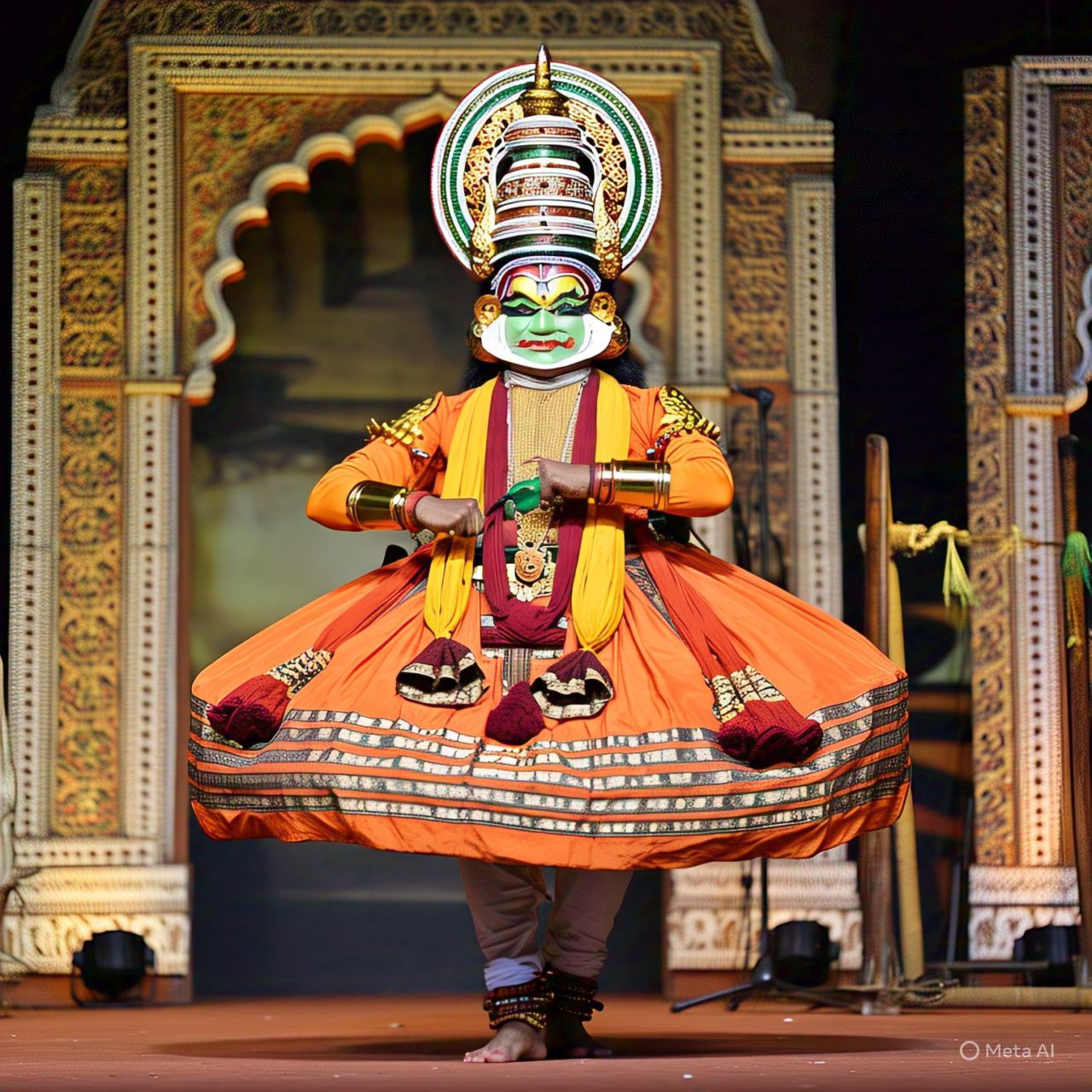
Nestled in the heart of Kerala’s Idukki district, Thekkady is best known for its lush forests, abundant wildlife, and spice plantations. However, beyond its natural beauty, Thekkady also plays a vital role in preserving and showcasing Kerala’s rich cultural heritage, especially through the traditional art form of Kathakali. In recent years, Kathakali performances in Thekkady have become a major cultural attraction for tourists, offering a glimpse into the soul of Kerala through expressive storytelling, elaborate costumes, and mesmerizing facial expressions.

In this article, we’ll explore how Kathakali has influenced Thekkady’s cultural scene, why it remains an essential experience for visitors, and how it contributes to sustainable tourism and cultural preservation.

Understanding Thekkady: More Than Just Wildlife

While Thekkady is often associated with the famous Periyar Wildlife Sanctuary, it is also a hub of traditional Kerala arts and customs. Its importance lies in its ability to seamlessly blend nature-based tourism with cultural immersion. The region’s serene environment, welcoming communities, and deep-rooted heritage make it the perfect place for travelers who want to experience both ecological and cultural richness.

Moreover, Thekkady has positioned itself as one of Kerala’s premier eco-tourism destinations, where sustainable practices and local traditions go hand in hand. Among the cultural experiences offered to travelers, Kathakali stands out as a timeless spectacle that leaves a lasting impression.

What is Kathakali?

Kathakali is one of the oldest classical dance-drama forms in India, originating from Kerala over 300 years ago. It combines dance, drama, music, and elaborate costumes to narrate stories from Indian epics like the Ramayana and Mahabharata. Performers use intricate hand gestures (mudras), dramatic facial expressions, and body movements to convey emotions and dialogue without speaking.

The makeup in Kathakali is an art in itself, with characters painted in bold colors to signify their nature—green for noble heroes, red for evil characters, and black for demons. The entire performance is accompanied by live traditional percussion music, adding to its grandeur.

Why Kathakali Performances in Thekkady Are Special

Unlike urban cultural centers, Thekkady offers an intimate and authentic Kathakali experience. Here, performances are not only staged for tourists but also serve as a means to preserve the cultural heritage of the region. The smaller venues, close interaction with artists, and traditional setups make the experience truly immersive.

Local Kathakali Centers

There are several renowned cultural centers in Thekkady that conduct daily Kathakali shows. Some of the most popular include:

  • Mudra Kathakali Centre
  • Kadathanadan Kalari and Navarasa Kathakali Center
  • Green Ark Cultural Centre

These venues are known for their authentic presentations, where visitors are often welcomed backstage to witness the transformation of performers—right from makeup application to costume preparation. This behind-the-scenes experience enhances cultural understanding and deepens appreciation for the art.

Cultural Immersion for Tourists

Kathakali performances in Thekkady are tailored to educate and engage. Narrators often provide a brief explanation in English before the show begins, helping international visitors understand the story, symbolism, and performance techniques. As a result, tourists leave not just entertained but also enlightened about Kerala’s cultural identity.

Kathakali as a Tool for Cultural Preservation

One of the key benefits of promoting Kathakali in tourist destinations like Thekkady is its role in preserving intangible cultural heritage. By involving younger generations in learning and performing Kathakali, these centers help keep the tradition alive.

Moreover, the income generated from performances provides a livelihood for local artists and supports art schools that train aspiring performers. In this way, cultural tourism in Thekkady contributes to both economic development and heritage conservation.

Integration of Kathakali in Sustainable Tourism

As Thekkady promotes sustainable and responsible tourism, cultural performances like Kathakali play an integral role. They offer an alternative to wildlife-centric activities, allowing tourists to engage with local traditions while reducing pressure on ecological resources.

When visitors attend Kathakali shows, they are not only supporting the local economy but also participating in ethical tourism that values art, history, and community. This diversification of tourist experiences ensures that Thekkady’s tourism model remains balanced and inclusive.

Best Time to Witness Kathakali in Thekkady

Although Kathakali is performed year-round in Thekkady, the ideal time to visit is between October and March, when the weather is pleasant and the tourist season is in full swing. During this time, cultural centers often host special festivals or extended performances, giving visitors a broader view of Kerala’s rich performing arts tradition.

Tips for Enjoying a Kathakali Performance

To make the most of your Kathakali experience in Thekkady, consider these tips:

  • Arrive early to observe the makeup and costume preparation.
  • Read about the story or ask for a program booklet to understand the plot better.
  • Choose front-row seats for a closer look at facial expressions and gestures.
  • Engage with the artists after the show to learn more about their journey and training.

Conclusion: A Cultural Heartbeat of Thekkady

In conclusion, Kathakali in Thekkady is more than just a tourist attraction—it’s a cultural heartbeat that enriches the travel experience. While the natural beauty of Periyar and the charm of spice plantations draw visitors to this region, it is the artistic soul of Kathakali that gives Thekkady its unique identity.

As global tourism leans toward authentic, immersive, and responsible experiences, Thekkady sets an example by embracing its cultural roots and showcasing them with pride. By attending a Kathakali performance, travelers not only witness a stunning visual art form but also contribute to the preservation of Kerala’s rich cultural legacy.

So, on your next visit to Thekkady, don’t just trek through the forests—step into a world of myth, movement, and meaning with Kathakali, and experience Kerala in its most expressive form.

Thekkady’s Role in Promoting Sustainable Tourism

Tucked within the verdant Western Ghats of Kerala, Thekkady has emerged as a beacon of sustainable tourism in India. Best known for the Periyar Wildlife Sanctuary and its lush spice plantations, this serene destination has managed to strike a balance between environmental conservation and tourism development. As the global travel industry shifts towards eco-friendly practices, Thekkady stands out for its efforts to protect biodiversity, support local communities, and offer immersive, low-impact travel experiences.

Why Sustainable Tourism Matters

Before diving into Thekkady’s role, it’s important to understand why sustainable tourism is more than just a travel trend—it’s a necessity. With rising global concerns over climate change, deforestation, and cultural erosion, tourism must evolve into a model that respects both people and the planet. Sustainable tourism prioritizes long-term environmental health, community welfare, and cultural integrity over short-term profits. And Thekkady, with its rich natural and cultural heritage, offers the perfect backdrop for this responsible approach.

Eco-Tourism in Thekkady: A Model for Others

One of the primary reasons Thekkady has become a model for sustainable tourism is the Periyar Tiger Reserve. Spanning over 900 square kilometers, this protected area is not only home to endangered species like the Bengal tiger and Asian elephant but also showcases how tourism and conservation can coexist.

Community-Based Tourism Initiatives

What sets Thekkady apart is its strong focus on community participation. Many eco-tourism programs are run by local tribal communities, who act as guides, trackers, and caretakers of the forest. These initiatives not only create employment opportunities but also instill a sense of stewardship and pride among residents.

For instance, programs like:

  • Bamboo Rafting in Periyar Lake
  • Jungle Patrol guided by tribal guards
  • Nature Walks and Border Hiking tours

…are all designed to minimize environmental impact while maximizing community engagement and visitor education.

Promoting Responsible Wildlife Tourism

Instead of encouraging traditional safari models that often disturb natural habitats, Thekkady has pioneered low-impact wildlife tourism. Tourists are offered experiences that emphasize observation, patience, and education. Trained naturalists ensure that travelers learn about the ecology of the region rather than just chasing photo opportunities.

Conservation Through Education

Sustainable tourism in Thekkady also thrives on environmental awareness. Many resorts, nature lodges, and plantations conduct eco-education programs that inform visitors about conservation efforts, native flora and fauna, and the importance of maintaining ecological balance.

Additionally, thematic visitor centers, like the interpretation center at Periyar Tiger Reserve, use interactive exhibits to deepen tourists’ understanding of local ecosystems. These centers promote eco-conscious behavior during and after the trip.

Green Accommodation Options

Another key aspect of Thekkady’s commitment to sustainable tourism is its growing number of eco-friendly resorts and homestays. Many properties have adopted green building practices, use solar power, practice rainwater harvesting, and manage waste through composting and recycling.

Popular eco-resorts in Thekkady often provide:

  • Organic farm-to-table meals
  • Eco-sensitive architecture using bamboo, clay, and stone
  • No-plastic policies
  • Nature-based experiences instead of commercial entertainment

By staying in such accommodations, travelers can reduce their carbon footprint and support local sustainable businesses.

Supporting Local Culture and Handicrafts

Sustainable tourism isn’t just about protecting the environment—it’s also about preserving cultural heritage. In Thekkady, efforts have been made to promote local artisans, traditional music, and handicrafts. Many shops and village experiences allow tourists to purchase locally made products, such as:

  • Handmade spice soaps
  • Eco-friendly souvenirs
  • Traditional textiles and bamboo crafts

Cultural performances like Kathakali dance and Kalaripayattu martial art shows are also part of the sustainable tourism framework, giving local artists a platform to preserve and share their heritage.

Organic Spice Plantations and Agri-Tourism

Beyond forests and wildlife, Thekkady is equally famous for its organic spice plantations. These farms promote agro-ecological methods, discourage chemical use, and rely on sustainable farming techniques. Visitors can walk through cardamom fields, learn about organic pepper cultivation, and participate in farm-to-table cooking experiences.

This form of agri-tourism not only educates travelers but also provides farmers with supplemental income, making agriculture a viable and eco-friendly livelihood.

Waste Management and Plastic-Free Campaigns

One of the silent but significant contributions of Thekkady to sustainable tourism is its active role in waste reduction. Several local NGOs, in partnership with forest departments and tourism stakeholders, have launched:

  • Plastic-free zones in and around Periyar Wildlife Sanctuary
  • Community clean-up drives
  • Waste segregation and composting programs

These efforts are supported by responsible travelers who are encouraged to carry reusable bottles and bags, dispose of waste responsibly, and avoid single-use plastics.

Best Time to Experience Sustainable Tourism in Thekkady

To truly experience the green heart of Thekkady, the ideal time to visit is between October and March. During these months, the weather is pleasant for forest treks, spice walks, and outdoor adventures. However, monsoon lovers may also enjoy the rainy season from June to September, which paints the landscape in vibrant shades of green—just remember to bring eco-friendly rain gear!

How You Can Travel Responsibly in Thekkady

As a visitor, you play a crucial role in keeping Thekkady’s sustainability mission alive. Here are a few simple yet impactful ways to be a responsible traveler:

  • Choose eco-certified resorts or homestays
  • Opt for guided community tours instead of commercial packages
  • Support local artisans by buying handmade products
  • Avoid disturbing wildlife and always follow park guidelines
  • Carry reusable items to minimize waste

Final Thoughts

In a world where tourism often comes at the cost of environmental degradation, Thekkady shines as a symbol of hope and balance. Its success in promoting sustainable tourism in Kerala demonstrates how conscious planning, local participation, and ecological respect can create a fulfilling travel experience for both visitors and residents.

By choosing to explore Thekkady responsibly, you’re not just taking a vacation—you’re supporting a movement. A movement that believes tourism can heal, protect, and empower.

So, pack your bags, leave only footprints, and let Thekkady’s green promise inspire your next journey.

Exploring Thekkady’s Spice Plantations

  1. Exploring Thekkady’s Spice Plantations

Nestled in the lush Western Ghats of Kerala, Thekkady is a destination that tantalizes the senses. While it’s famed for the Periyar Wildlife Sanctuary, Thekkady is also known as the spice capital of Kerala—a fragrant paradise for culinary enthusiasts and culture seekers alike. Beyond its rolling hills and wildlife safaris lies a world brimming with cardamom, pepper, cinnamon, nutmeg, and cloves. Exploring Thekkady’s spice plantations offers a journey not just into nature, but deep into the cultural and culinary heritage of Kerala.

Why Spice Plantations in Thekkady Matter

First and foremost, spices have been the lifeblood of Kerala’s history and economy for centuries. Thekkady’s spice plantations are not merely tourist attractions—they are working farms that contribute significantly to India’s spice exports. For travelers, visiting these plantations provides a firsthand look into traditional organic farming, sustainable agriculture, and the daily lives of local communities.

The Fragrant World of Kerala Spices

Walking through a spice plantation is like stepping into a living spice encyclopedia. The air is heavy with the scent of cardamom and pepper, while guides explain the role each spice plays in Ayurvedic medicine, Indian cooking, and ancient trade routes.

  • Cardamom, known as the “Queen of Spices,” thrives in the cool, moist climate of Thekkady’s hills.
  • Black pepper, once called “black gold,” is another star spice that grows in abundance.
  • Cinnamon, clove, and nutmeg add warm notes to the plantation atmosphere, both literally and figuratively.

These spices are often organically grown, hand-harvested, and sun-dried—methods that have been passed down for generations.

What to Expect on a Spice Plantation Tour

Spice plantation tours in Thekkady are immersive, educational, and sensorial. Most tours begin with a warm welcome by local guides, often members of farming families who have lived on the land for decades.

Highlights of a Typical Tour

  • Guided Nature Walks: Visitors are taken on a slow-paced walk through dense green plantations, where each plant is introduced with detailed explanations about its origin, uses, and cultivation methods.
  • Hands-On Experience: Some tours allow guests to pick pepper vines or feel cardamom pods fresh off the plant.
  • Ayurvedic Insights: The connection between spices and Ayurveda is often explained in depth, making the tour informative for wellness seekers.
  • Tasting Sessions: Some plantations offer spice tea, herbal concoctions, or even traditional Kerala snacks flavored with fresh spices.
  • Shopping Opportunities: Most plantations have eco-shops where you can buy fresh, organic spices directly from the source.

These plantation experiences are perfect for families, honeymooners, photographers, and foodies alike. Moreover, the serene ambiance offers a calming retreat for anyone looking to slow down and reconnect with nature.

Best Time to Visit Thekkady’s Spice Plantations

Although Thekkady is a year-round destination, the best time to explore spice plantations is October to March. During these months, the climate is cool and dry, which makes walking through plantations comfortable and enjoyable. Moreover, many spices are in harvest, offering a more vibrant and active tour experience.

Sustainable and Ethical Tourism Practices

Another noteworthy aspect of visiting these plantations is the emphasis on eco-tourism. Most spice gardens in Thekkady are managed by local farmers who use sustainable agricultural methods. This includes organic composting, rainwater harvesting, and natural pest control.

Furthermore, many of these farms partner with NGOs and government initiatives to empower tribal communities and promote fair-trade practices. As a tourist, your visit helps support these grassroots efforts and keeps local traditions alive.

How to Plan Your Visit

Getting There

Thekkady is well-connected by road and lies about 4–5 hours from Kochi and Madurai. Regular buses and taxis make the journey smooth and scenic.

Where to Stay

Although there are many accommodation options around Thekkady, you can also find nature-based lodgings near the plantations. These often offer spice-scented rooms, herbal massages, and farm-to-table dining experiences.

Travel Tips for Visitors

  • Wear comfortable shoes as most tours involve walking through uneven terrain.
  • Bring insect repellent, especially during the monsoon months.
  • Avoid synthetic perfumes as the natural aroma of the plantation is best enjoyed without interference.
  • Support local artisans by buying handmade spice soaps, oils, and teas.

The Culinary Connection

Spices are not just grown in Thekkady—they are celebrated in every dish. Whether it’s a simple Kerala-style fish curry or a rich vegetarian thali, the flavors of freshly ground spices transform meals into memorable feasts. Many plantation tours include a cooking demonstration or offer culinary classes, allowing visitors to recreate Kerala’s rich flavors back home.

Must-Try Dishes

  • Malabar Chicken Curry infused with cardamom and clove.
  • Spiced Vegetable Stew served with appam.
  • Pepper Rasam, a tangy soup that highlights Thekkady’s famed black pepper.

Each dish is a testament to the region’s deep-rooted spice legacy and its influence on global cuisine.

Beyond Spices: Enriching Add-On Experiences

While in Thekkady, don’t limit yourself to just the plantations. Consider combining your spice tour with:

  • A visit to the Periyar Wildlife Sanctuary for a boat safari or bamboo rafting.
  • Cultural performances showcasing local dance forms like Kathakali and tribal drumming.
  • A walk through tribal villages, where you can see traditional farming and food preparation techniques.

These experiences provide a holistic view of how spices are intertwined with every aspect of life in Thekkady—from economy and culture to health and heritage.


Final Thoughts

In conclusion, exploring Thekkady’s spice plantations is not just a visual or olfactory experience—it’s an emotional and educational journey. It reveals the interconnectedness of nature, culture, and cuisine in one of Kerala’s most enchanting regions. For travelers who wish to go beyond the ordinary and immerse themselves in authenticity, Thekkady’s spice trails offer a path less traveled but deeply rewarding.

The Cultural Heritage of Thekkady’s Tribal Communities

Tucked deep within Kerala’s Western Ghats, Thekkady is a treasure trove of more than just wildlife and greenery—it’s also a vibrant hub of cultural richness. Among the forested hills and spice plantations, indigenous tribal communities such as the Mannan, Malayarayan, Paliyan, and Uralis have preserved ancient traditions that continue to thrive. For curious travelers, exploring these communities offers an immersive journey into Kerala’s untold stories, ancestral wisdom, and sustainable way of life.


The Tribal Communities of Thekkady: Who Are They?

Each tribal community in Thekkady brings its own heritage, rituals, and worldview. Understanding their backgrounds gives context to the cultural experience awaiting visitors.

1. The Mannan Tribe

Among the oldest tribes in Kerala, the Mannan community practices a matrilineal system and relies on forest produce and shifting agriculture. Their tribal chief or “koil” still oversees social and spiritual customs, especially from their base in Kumily. Their lifestyle emphasizes a spiritual connection with the forest and an eco-conscious existence.

2. The Malayarayan Tribe

Residing in the hilly areas surrounding Thekkady, the Malayarayans are keepers of folklore, sacred groves, and deep medicinal knowledge. Their expertise in herbal remedies and conservation reflects their symbiotic relationship with the ecosystem.

3. The Paliyan and Urali Tribes

These lesser-known communities live in smaller hamlets and are known for hunting, honey collection, and age-old healing practices. Their way of life serves as a model of sustainable living and contributes to Kerala’s eco-tourism initiatives.


Cultural Practices and Living Traditions

Visiting a tribal village in Thekkady offers a glimpse into an eco-friendly, culturally rich way of life—one that is built on storytelling, ritual, and connection with nature.

Music and Dance

Traditional performances like Kummiyattam and Vattakali are vibrant expressions of folklore and spirituality. Accompanied by drums like the chenda and thudi, these dances often celebrate harvests, seasonal festivals, and historical legends.

Crafts and Clothing

Many tribes are skilled artisans, known for bamboo crafts, pottery, and herbal remedies. Their clothing—made from natural fibers and decorated with forest-inspired motifs—mirrors their respect for nature.

Nature Worship and Rituals

Most tribal groups in Thekkady follow animistic beliefs, worshipping the sun, rivers, forests, and sacred groves (kavu). Rituals conducted in these groves demonstrate their reverence for biodiversity and spiritual balance.


Tribal Heritage Tours: An Ethical and Enriching Experience

Tribal heritage tours are becoming a vital aspect of cultural tourism in Thekkady. They provide:

  • Direct interactions with tribal elders and artisans
  • Hands-on experiences like cooking, craft-making, and dance workshops
  • Educational value around sustainability and forest preservation

These experiences are often organized by eco-tourism societies and local NGOs to ensure authenticity and ethical tourism practices.


Tips for a Respectful Visit

To ensure a positive cultural exchange, tourists should keep a few guidelines in mind:

  • Always ask permission before photographing people or homes.
  • Avoid giving money or gifts directly to children.
  • Dress modestly and follow local customs.
  • Choose tours operated by certified guides or community-run programs.

Government and NGO Involvement

Both government agencies and non-profits have played key roles in uplifting tribal communities in Thekkady while preserving their heritage.

Government Initiatives

The Kerala Forest Department’s Eco-Tourism Project integrates tribal members as guides, artisans, and interpreters. This not only promotes sustainable tourism but also offers employment and education opportunities to tribal youth.

NGO Contributions

Organizations like PEPG (People for Eco-Growth) and ATREE are instrumental in documenting cultural practices, empowering communities, and promoting conservation. Their efforts ensure that tourism doesn’t exploit but rather enhances the lives of indigenous people.


The Impact of Eco-Tourism on Tribal Life

Eco-tourism has introduced positive changes in tribal communities, especially when managed responsibly. Benefits include:

  • Employment in tourism-related activities
  • Access to modern education and healthcare
  • Retention of cultural identity through economic incentives

However, the integrity of traditions must be preserved. Supporting fair-trade shops and responsible tourism programs ensures that communities remain the primary beneficiaries.


Why You Should Explore Thekkady’s Tribal Culture

For travelers who seek depth and authenticity, visiting tribal villages is more than a sightseeing stop—it’s an experience in cultural empathy and ecological understanding. Benefits of such cultural exploration include:

  • A broader view of Kerala’s heritage beyond popular tourist attractions
  • Opportunities for meaningful interactions and storytelling
  • Firsthand learning about sustainable lifestyles
  • Cultural appreciation that enriches your travel experience

Final Thoughts: A Journey Beyond the Ordinary

In Thekkady, stories whisper through the forests—not just of wildlife, but of wisdom, tradition, and survival. The tribal communities here offer a living example of harmony with nature and cultural continuity. By engaging respectfully, tourists help preserve this heritage while experiencing an unforgettable facet of Kerala.

So when you plan your next adventure to Thekkady, go beyond safaris and scenic treks. Step into the world of its indigenous people. Let their songs, rituals, and stories become part of your travel narrative.

Wildlife Safaris in Thekkady: An Adventurer’s Guide

“You don’t just see the jungle in Thekkady—you feel it.”

That’s what I told a fellow traveler as we sat quietly on a bamboo raft in the middle of Periyar Lake. The mist was rolling in over the water, an elephant herd moved gracefully along the shore, and somewhere in the distance, a sambar deer called out. It was in that moment that I realized—Thekkady isn’t just a destination; it’s an experience that stays with you.

If you’re someone like me—drawn to both adventure and authenticity—then wildlife safaris in Thekkady are a must on your travel list. Let me take you through what makes this green paradise in Kerala so captivating, especially if you’re eager to explore nature in its purest form.


The Wild That Protects Itself: A Conservation Success Story

When I first entered the Periyar Tiger Reserve, I was amazed to learn that it spans nearly 900 square kilometers. But what truly impressed me was how well protected and respected the ecosystem is. The safaris here aren’t about chasing thrills—they’re about preserving the wild.

I saw animals living as they should—free, unbothered by human interference. Tigers are elusive, yes, but the presence of deer, wild boar, and birds in abundance made it clear: this forest thrives because it’s respected. Every jeep, every raft, and every trail walk is regulated with strict eco-guidelines, and that’s exactly how it should be.


Every Creature Counts: Learning the Language of the Forest

One of the highlights for me was the guided nature walk. Our forest guide, a local tribal expert, stopped us often—not to point out tigers or elephants, but to show us life we’d usually miss: a camouflaged lizard, the rare blooms of wild orchids, a snake’s fresh track in the soil.

Through his words, I began to grasp the interconnectedness of the forest. Suddenly, the jungle wasn’t just trees and animals—it was a breathing, living system, where even the tiniest insect had a role. That walk taught me more about biodiversity in two hours than I had learned in years.


Disconnect to Reconnect: The Joy of Being Present in Nature

To be honest, I didn’t expect a wildlife safari to be a meditative experience—but Thekkady surprised me. As we floated across Periyar Lake, the silence was unlike anything I’d known before. No car horns. No buzzing phones. Just the rhythm of water, wind, and wildlife.

Out here, nature teaches you how to be still. Watching a herd of gaur (Indian bison) graze or seeing a fish eagle dive for its meal pulls you out of yourself. The jungle, in its stillness, has a way of resetting your senses. This is where you rediscover what it means to be alive.


Not Just Fun—But Full of Learning

If you’re traveling with kids, students, or curious minds, Thekkady’s wildlife programs are goldmines of knowledge. I noticed many eco-tourists and researchers engaging in educational safaris—learning about animal behavior, forest conservation, and the delicate balance of local ecosystems.

One evening, I attended an awareness session organized by a local NGO. It was eye-opening to see how sustainable tourism and wildlife conservation go hand in hand here. I even met a few volunteers who were part of reforestation drives. For those of us who want our travels to mean more, Thekkady is a living classroom.


Supporting Nature While You Explore

What made my trip feel even more meaningful was knowing that my safari fees weren’t just going into someone’s pocket—they were supporting a mission. The forest department uses the funds to support anti-poaching units, forest patrols, and local development.

From guides and trackers to jeep drivers and naturalists, most of the people involved in these safaris are from nearby villages. By choosing Thekkady, I realized I wasn’t just witnessing wildlife—I was also empowering communities and contributing to an eco-tourism model that works.


A Peek into My Safari Choices

To give you a better idea, here are the safari experiences I tried—and absolutely recommend:

  • Jeep Safari: A bumpy ride through lesser-explored areas, with a good chance of spotting bison and deer.
  • Bamboo Rafting: Serene, silent, and perfect for photographers and birdwatchers.
  • Nature Walk: Up close with the forest floor—great if you want to observe smaller species and medicinal plants.
  • Boat Safari: Classic and relaxing—this is where I spotted a family of elephants by the water’s edge.

Each safari offers a different lens into the wilderness. I’d suggest trying at least two for a well-rounded adventure.


A Few Travel Tips from My Diary

If you’re planning your safari soon, here’s what worked for me:

  • Best Time to Visit: October to March—cooler weather and higher chances of sightings.
  • Dress Smart: Earthy tones, comfortable shoes, and a hat go a long way.
  • Be Patient: Don’t expect a lion king moment. The jungle isn’t a zoo—it rewards those who wait.
  • Go Eco-Friendly: Carry a reusable bottle and avoid plastic. The forest deserves your respect.

Final Thoughts: Thekkady Stole a Piece of My Heart

As I packed my bags and looked out one last time at the misty canopy from my balcony, I realized this trip had given me more than just photos—it had given me perspective. The wild has a way of humbling you, of making you aware of your place in a much larger world.

So, if you’re seeking a travel experience that blends adventure with awareness, thrill with thought, and fun with purpose, then let Thekkady be your next stop. Trust me—it will awaken the adventurer and the conservationist in you.

“Thekkady Through a Photographer’s Lens: Best Spots for Capturing Nature’s Beauty”

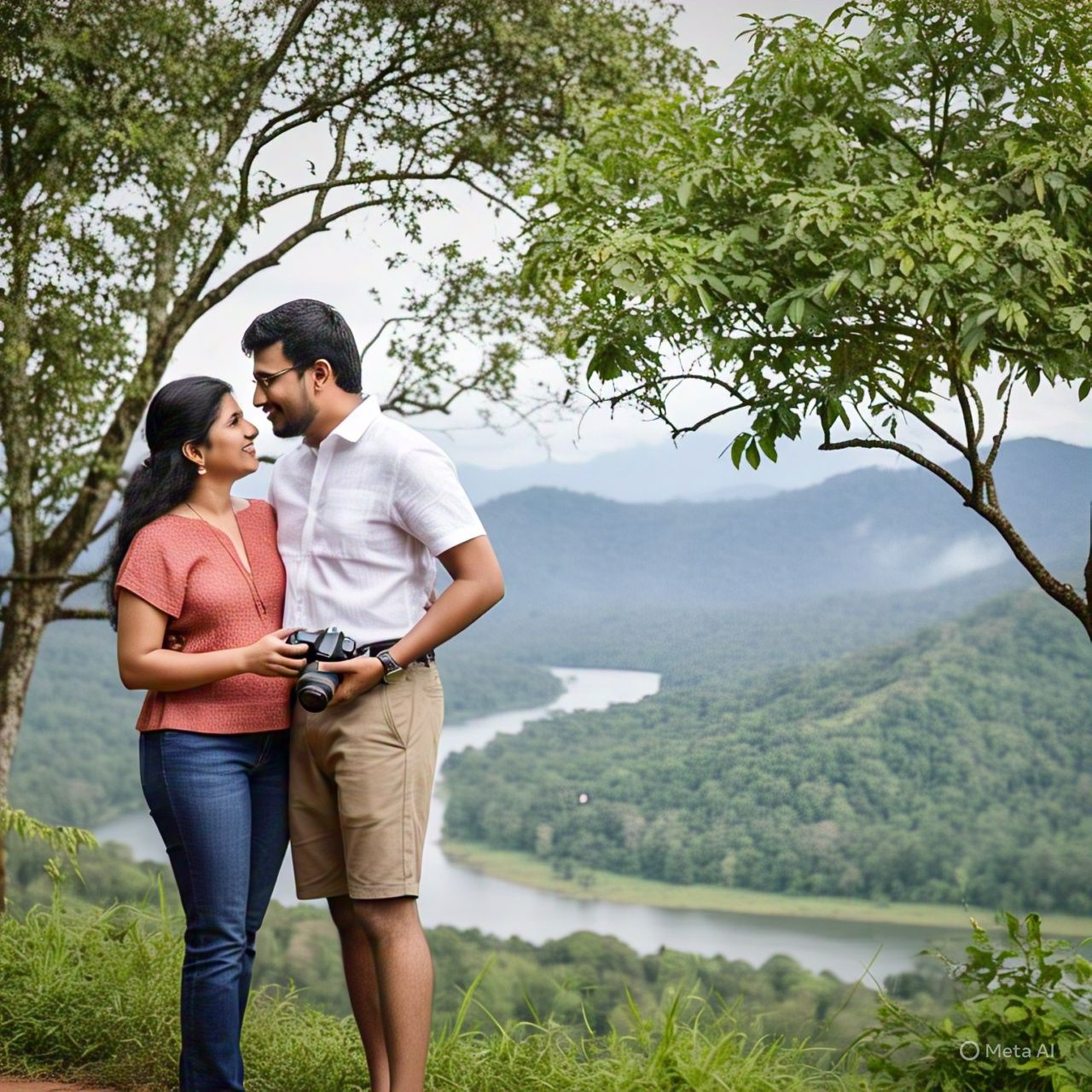
  • Tucked away in the lush green hills of Kerala’s Idukki district, Thekkady is a haven for photographers seeking to capture nature in its raw, unfiltered glory. With its diverse landscapes—ranging from misty forests and serene lakes to vibrant spice plantations and bustling markets—Thekkady offers endless opportunities for stunning imagery. Whether you’re an amateur photographer with a smartphone or a seasoned pro with a DSLR, this enchanting destination invites you to frame its wildlife, culture, and landscapes from countless unique perspectives. In this guide, we take you through the best photography spots in Thekkady and share useful tips to help you immortalize its beauty through your lens.

1. Periyar Tiger Reserve – A Wildlife Wonderland

To begin with, no trip to Thekkady is complete without visiting the renowned Periyar Tiger Reserve. It’s a haven for wildlife photographers, offering the chance to photograph elephants, wild boars, bison, and even tigers—if you’re lucky.

What to Capture:

  • Herds of elephants bathing in the lake
  • Deer grazing in forest clearings
  • Birds in flight over the tree canopy

Photography Tip: Morning and late afternoon safaris provide the best lighting. Use a telephoto lens for distant wildlife and set your camera to burst mode for action shots.

Transitioning forward, once you’ve captured the call of the wild, it’s time to immerse yourself in the rich green world of Kerala’s famed spices.


2. Spice Plantations – A Macro Photographer’s Dream

As you stroll through Thekkady’s spice plantations, the fragrance of cardamom, pepper, and clove fills the air. But for photographers, it’s the lush textures and patterns that are even more enticing.

What to Capture:

  • Close-ups of spice clusters
  • Dew-drenched leaves in the early morning
  • Workers harvesting spices

Photography Tip: Utilize macro settings to highlight textures and color contrasts. Early mornings offer soft natural lighting and fewer shadows.

After exploring the earthy interiors of spice farms, shift your focus to the tranquil water surfaces nearby.


🌊 3. Periyar Lake – Reflections and Serenity

Without a doubt, Periyar Lake is among the most photogenic locations in Thekkady. Surrounded by dense forest and punctuated by the iconic tree stumps rising from the water, it provides the perfect setting for landscape and reflection photography.

What to Capture:

  • Sunset reflections on still water
  • Birds gliding just above the surface
  • Layers of mist enveloping distant hills

Photography Tip: Opt for a wide-angle lens to capture the full grandeur. A polarizing filter helps reduce glare and enhances color depth.

Moving from serene waters, your journey should now take you into the lives of the region’s indigenous communities.


🧍‍♂️ 4. Tribal Villages – Portraits with a Story

Thekkady is home to several tribal communities that have preserved their customs and ways of life for generations. A visit to these villages offers unique cultural photography opportunities.

What to Capture:

  • Portraits of elders and children
  • Daily life moments—farming, cooking, or craft-making
  • Traditional tools, huts, and decor

Photography Tip: Be respectful and always ask permission before taking photos. Use natural light and a 50mm lens for striking portraits.

As the sun begins to set, Thekkady reveals another visual treasure—its colorful performing arts.


5. Cultural Performance Halls – Color in Motion

Evenings in Thekkady are vibrant with live performances of Kathakali and Kalaripayattu, offering a burst of color, emotion, and energy for your camera to feast on.

What to Capture:

  • Elaborate facial expressions in Kathakali
  • Action shots from Kalaripayattu moves
  • Costume details and makeup rituals

Photography Tip: Use a high ISO setting and fast shutter speed. Sit close to the stage for better framing and avoid using flash, which can distract performers.

With the cultural beat still echoing in your heart, it’s time to chase some panoramic vistas next.


6. Ottakathalamedu Viewpoint – Sunrise to Remember

Perched on a hill, Ottakathalamedu offers breathtaking views of the Thekkady valley and surrounding forest. It’s particularly stunning at sunrise or sunset, making it an essential stop for landscape photographers.

What to Capture:

  • Silhouetted trees and ridgelines
  • Sun rays breaking through morning mist
  • Panoramic shots of the valley

Photography Tip: Arrive early and bring a tripod for long exposure shots. A drone (if permitted) can offer spectacular aerial photos.

Once you’ve seen Thekkady from above, return to its treetops for some feathery surprises.


7. Bird Watching Trails – A Haven for Avian Photography

Thekkady is a paradise for bird watchers, with species like the Malabar grey hornbill, paradise flycatcher, and kingfishers gracing its canopy and underbrush.

What to Capture:

  • Birds feeding, flying, or nesting
  • Birds silhouetted against the sky
  • Nesting behaviors or courtship rituals

Photography Tip: Use a long zoom lens and silent shutter mode. Move slowly and keep your distance to avoid startling them.

Speaking of unique vantage points, how about capturing Thekkady from its tranquil waters once more—but in a different style?


8. Bamboo Rafting – Floating Perspectives

For a different perspective, try bamboo rafting across the lake or smaller inlets. This peaceful experience offers fresh angles of the forest and waterline.

What to Capture:

  • Low-angle forest reflections
  • Wildlife peeking out near the banks
  • The play of sunlight on water

Photography Tip: Protect your gear with waterproof bags. Shoot in burst mode to capture fleeting wildlife appearances from the raft.

Let’s now take a break from nature to experience the vibrant everyday life of Thekkady’s town center.


9. Local Markets and Streets – A Candid Photographer’s Playground

Thekkady’s bustling markets are a riot of colors, sounds, and aromas—perfect for street and candid photography.

What to Capture:

  • Vendors arranging spices and produce
  • Shoppers interacting and bargaining
  • Traditional utensils, snacks, and street food displays

Photography Tip: A 35mm lens is ideal for street photography. Capture moments discreetly and focus on composition over perfection.

Finally, for those visiting during Kerala’s lush monsoon season, the magic takes on a whole new tone.


10. Monsoon Magic – For Moody and Atmospheric Frames

When the rains come, Thekkady transforms into an emerald dream. While the weather can be tricky, it also adds depth and drama to your photos.

What to Capture:

  • Foggy landscapes and water droplets on leaves
  • Reflections in puddles or overcast skies
  • Raindrops hitting the lake’s surface

Photography Tip: Use a rain sleeve for your camera. Overcast light is soft and ideal for nature photography—embrace the gray tones.


Final Tips for the Aspiring Travel Photographer

  • Stay patient: Nature rewards those who observe quietly.
  • Travel light: You’ll often trek through hilly or uneven terrain.
  • Use natural light: Especially for portraits and close-up shots.
  • Be respectful: Of wildlife, people, and their personal space.
  • Shoot in RAW: For better post-processing flexibility.

Conclusion: Let Thekkady Inspire Your Inner Artist

In conclusion, Thekkady is not just a destination—it’s a visual narrative, waiting to be told through your lens. Every corner, from misty hills to tribal smiles, from silent forests to colorful markets, offers a frame that speaks of Kerala’s soul.

So, grab your camera, explore with curiosity, and let Thekkady unveil its wild, warm, and wonderful story—one click at a time.

“Eco-Tourism in Thekkady: How Sustainable Practices Are Changing Tourism”

Nestled in the heart of Kerala’s Western Ghats, Thekkady has become a shining example of how eco-tourism can redefine the way we travel. Home to the famous Periyar Tiger Reserve, this lush green haven is not only a destination for wildlife lovers and nature enthusiasts but also a model for sustainable tourism in India. The region has embraced a balanced approach where environmental conservation, local community empowerment, and visitor engagement coexist harmoniously.

In this article, we explore the eco-friendly initiatives in Thekkady, how government and non-governmental organizations (NGOs) are contributing to this green movement, and how tourists like you can play a meaningful role in supporting responsible tourism.


🌿 The Essence of Eco-Tourism in Thekkady

At its core, eco-tourism in Thekkady revolves around minimizing environmental impact while maximizing positive experiences for both travelers and locals. The focus lies in preserving the region’s rich biodiversity, promoting local culture, and ensuring that tourism benefits are fairly distributed within the community.

What makes Thekkady unique is its commitment to community-led conservation, forest-based livelihoods, and responsible visitor activities that respect the natural environment. Unlike commercial tourism, eco-tourism here encourages deeper connections with nature, wildlife, and local life.


🐘 Government Initiatives Promoting Sustainability

The Kerala Forest Department has played a leading role in transforming Thekkady into a model for eco-conscious tourism. By partnering with local communities, tribal groups, and NGOs, the government has created tourism programs that not only protect the Periyar ecosystem but also offer employment opportunities for locals.

Key Government-Led Eco-Initiatives:

  • Nature Walks & Bamboo Rafting: These low-impact guided tours through the Periyar Reserve are operated with limited group sizes to reduce human-wildlife conflict and environmental degradation.
  • Jungle Patrol Programs: A unique initiative where tourists join forest watchers on night patrols, helping monitor the reserve while gaining firsthand experience of conservation efforts.
  • Community-Based Tourism Committees (CBTCs): Managed in collaboration with local tribal communities, these groups oversee sustainable tourism activities, ensuring community participation and profit-sharing.
  • Eco-Development Committees (EDCs): These government-supported groups help locals develop eco-friendly livelihoods such as spice farming, handicrafts, and guiding services.

These projects are structured to prioritize environmental education and encourage tourists to travel with awareness.


🤝 NGO Contributions to Sustainable Tourism

Several NGOs have also stepped in to reinforce the region’s eco-tourism mission. Working hand-in-hand with government bodies and local communities, NGOs focus on environmental conservation, livelihood training, and awareness campaigns.

Notable Contributions Include:

  • Capacity-building programs for tribal youth in hospitality, guiding, and wildlife tracking.
  • Workshops on waste management and plastic-free tourism for local vendors and tourists.
  • Promotion of organic farming and eco-agriculture in surrounding villages.
  • Educational outreach for tourists and schoolchildren on biodiversity, climate change, and conservation.

These collaborations help bridge the gap between policy and implementation, bringing grassroots environmental awareness into real-world practice.


🌱 Eco-Friendly Experiences for Visitors

Tourists play a critical role in shaping sustainable travel trends. In Thekkady, several eco-experiences have been designed to align with both environmental goals and tourist interests.

Here are some eco-tourism activities that let you explore responsibly:

  • Spice Plantation Tours: These offer insights into organic farming practices while supporting small-scale farmers.
  • Tribal Heritage Walks: Led by indigenous guides, these walks provide cultural context and promote respect for traditional knowledge systems.
  • Forest Meditation and Yoga: Practiced in serene eco-retreats or forest edges, these sessions align with nature and promote mindful travel.
  • Plastic-Free Markets: Many local vendors and souvenir shops promote plastic-free packaging and sell handmade, sustainable goods.

By participating in these activities, tourists not only create memorable experiences but also contribute to local economies and environmental preservation.

Transition tip: If you’re looking to explore Thekkady beyond the usual trails, these activities are a great way to connect deeper with the land and its people.


🏨 Eco-Stays and Sustainable Accommodations

Thekkady also boasts several eco-friendly accommodations that prioritize sustainability in design and operations. While we avoid naming specific resorts, here are common features of green lodges in the area:

  • Solar-powered energy and rainwater harvesting systems
  • Cottages built using local, natural materials
  • In-house organic gardens and spice farms
  • Zero-waste kitchens and composting systems
  • Nature education programs for guests

These stays often provide immersive experiences where travelers can live close to nature, eat organic food, and engage in low-impact activities like bird watching, stargazing, or spice harvesting.


🧭 Tips for Eco-Conscious Travelers

As a visitor, your choices can have a lasting impact on Thekkady’s natural and cultural heritage. Here’s how you can make your trip more eco-friendly:

  1. Say no to plastic. Carry reusable water bottles, bags, and containers.
  2. Choose certified eco-stays or homestays that practice sustainability.
  3. Support local businesses—from handicrafts to traditional cuisine.
  4. Avoid disturbing wildlife. Maintain silence in forests and follow ethical photography.
  5. Travel during off-peak seasons to reduce strain on local resources.
  6. Respect tribal cultures and always ask before taking photographs.

By making conscious choices, you help maintain the ecological balance and support the very communities that make Thekkady special.


🧭 The Future of Sustainable Tourism in Thekkady

With growing awareness about climate change and biodiversity loss, destinations like Thekkady are leading the charge in demonstrating how eco-tourism can be both enriching and ethical. As more travelers seek meaningful, nature-based experiences, the need for responsible tourism will only grow.

Government support, NGO collaboration, and community involvement have laid a strong foundation—but it is the collective commitment of travelers, stakeholders, and locals that will determine Thekkady’s future as a sustainable travel destination.

Transition thought: Every visit to Thekkady is an opportunity to make travel count—for the planet, the people, and future generations.


🌍 Conclusion: Travel with a Purpose

Eco-tourism in Thekkady is not just a concept—it’s a living, breathing practice that reflects the harmony between man and nature. From jungle patrols and tribal walks to plastic-free markets and organic farms, every corner of this hill town speaks the language of sustainability.

So the next time you plan a getaway, consider choosing Thekkady—not just for its scenic beauty and wildlife, but for the values it upholds. Here, your journey becomes more than a holiday—it becomes a contribution to a greener, kinder world.