Skip to content Skip to left sidebar Skip to right sidebar Skip to footer

News

Thekkady’s Coffee Culture: An Emerging Trend

Thekkady’s Coffee Culture: An Emerging Trend

Tucked amidst the lush greenery of the Western Ghats, Thekkady is renowned for its wildlife, spice plantations, and tranquil backwaters. However, a new aroma is wafting through this picturesque region — the unmistakable scent of freshly brewed coffee. Once overshadowed by its famed spices and tea gardens, Thekkady’s coffee culture is now on the rise, drawing in tourists, coffee enthusiasts, and curious travelers alike.

With scenic cafés, locally-grown beans, and a growing appreciation for specialty brews, Thekkady is fast becoming a noteworthy coffee destination in Kerala. In this article, we explore how coffee culture in Thekkady is evolving, the best places to savor a cup, and why this trend is enriching the region’s tourism scene.


The Rise of Coffee in Thekkady

While Kerala’s spice trade has always been its agricultural backbone, coffee cultivation has been quietly thriving in the higher altitudes of Idukki and Thekkady. The region’s cool climate, rich soil, and elevation provide ideal conditions for cultivating high-quality Arabica and Robusta beans.

Transitional Phrase: As a result, many local farmers have expanded beyond spices into coffee, introducing a new dimension to Thekkady’s agro-based economy.


What Makes Thekkady’s Coffee Unique

Thekkady’s coffee is defined by its organic cultivation practices, shade-grown methods, and integration with spice crops like cardamom, pepper, and cinnamon. This not only ensures sustainability but also imparts a distinct flavor profile to the beans.

Key Features:

  • Grown under forest canopies
  • Handpicked and sun-dried
  • Naturally spiced aromas

Transitional Phrase: In addition to its eco-conscious farming methods, the fusion of spice and coffee makes Thekkady’s brews truly one-of-a-kind.


Top Coffee Spots in Thekkady

With the rise of coffee tourism in Thekkady, a variety of cafés and homestays now serve locally brewed coffee alongside panoramic views and cultural experiences. Here are a few places that should be on every coffee lover’s list:

1. Caffeino Café

Located in the heart of Kumily town, Caffeino is known for its scenic balcony views and wide selection of espresso-based drinks. Their signature cardamom latte is a must-try.

2. Thekkady Café Lounge

This boutique café serves coffee made from beans sourced directly from local plantations. Their French press and pour-over brews attract a mix of locals and international tourists.

Transitional Phrase: Furthermore, the café supports local artisans and often features traditional Kerala art, making each visit a multi-sensory delight.

3. Spice Garden Coffee House

Set amid a spice plantation, this hidden gem offers visitors a farm-to-cup experience. Here, guests can tour the plantation and learn how beans are roasted and ground.


Coffee Plantation Tours: A Growing Trend

One of the most engaging ways to experience Thekkady’s coffee culture is by joining a coffee plantation tour. These immersive experiences allow tourists to:

  • Walk through shaded coffee estates
  • Observe the harvesting and drying process
  • Participate in traditional roasting techniques
  • Sample various brews in tasting sessions

Transitional Phrase: Moreover, these tours are often paired with spice garden visits, creating a well-rounded and educational agro-tourism experience.


Coffee and Culture: A Fusion of Flavors

Thekkady’s emerging coffee scene is not just about sipping a good brew. It’s about celebrating culture, heritage, and sustainability. Many cafés now offer fusion drinks, pairing local flavors with global brewing techniques — think cardamom-infused cold brews, turmeric spiced lattes, or even coconut milk cappuccinos.

Additionally, some homestays and resorts organize coffee-tasting evenings paired with Kathakali performances or tribal dance shows, combining culinary exploration with local traditions.

Transitional Phrase: This unique blending of taste and tradition makes Thekkady stand out among emerging coffee destinations in India.


The Role of Sustainable Tourism

Thekkady’s coffee trend aligns perfectly with the principles of responsible and sustainable tourism. By supporting local plantations and organic farming, travelers contribute to the well-being of small farmers and help preserve the ecological balance of the Western Ghats.

Eco-tourism initiatives also promote awareness about climate-resilient crops like coffee and encourage eco-conscious choices among visitors.

Transitional Phrase: In essence, sipping coffee in Thekkady becomes an act of conscious travel, where each cup tells a story of local livelihoods and environmental stewardship.


Best Time to Explore Thekkady’s Coffee Culture

The best time to visit Thekkady for a coffee-themed experience is from October to March, when the weather is pleasant and harvesting activities are in full swing. Many plantations offer hands-on experiences during this time, allowing tourists to witness the journey of the bean from plant to cup.

Transitional Phrase: Therefore, planning your trip during these months ensures a richer and more engaging coffee exploration.


Tips for Coffee Enthusiasts Visiting Thekkady

To make the most of your coffee journey in Thekkady, here are some practical tips:

  • Book Plantation Tours in Advance: Especially during the tourist season
  • Choose Eco-Stays or Coffee-Focused Homestays: Many offer in-house brews and workshops
  • Try Local Coffee-Based Desserts: Such as coffee payasam or filter coffee cakes
  • Bring Home Freshly Packed Beans: Most cafés and plantations sell retail packs

Transitional Phrase: Ultimately, whether you’re a casual coffee drinker or a dedicated connoisseur, Thekkady has something aromatic and enriching to offer.


Conclusion: Brewing a New Identity for Thekkady

As Thekkady redefines itself beyond wildlife and spices, its burgeoning coffee culture adds depth and flavor to its tourism portfolio. With its combination of organic farming, scenic cafés, and immersive experiences, Thekkady is emerging as one of South India’s newest coffee destinations.
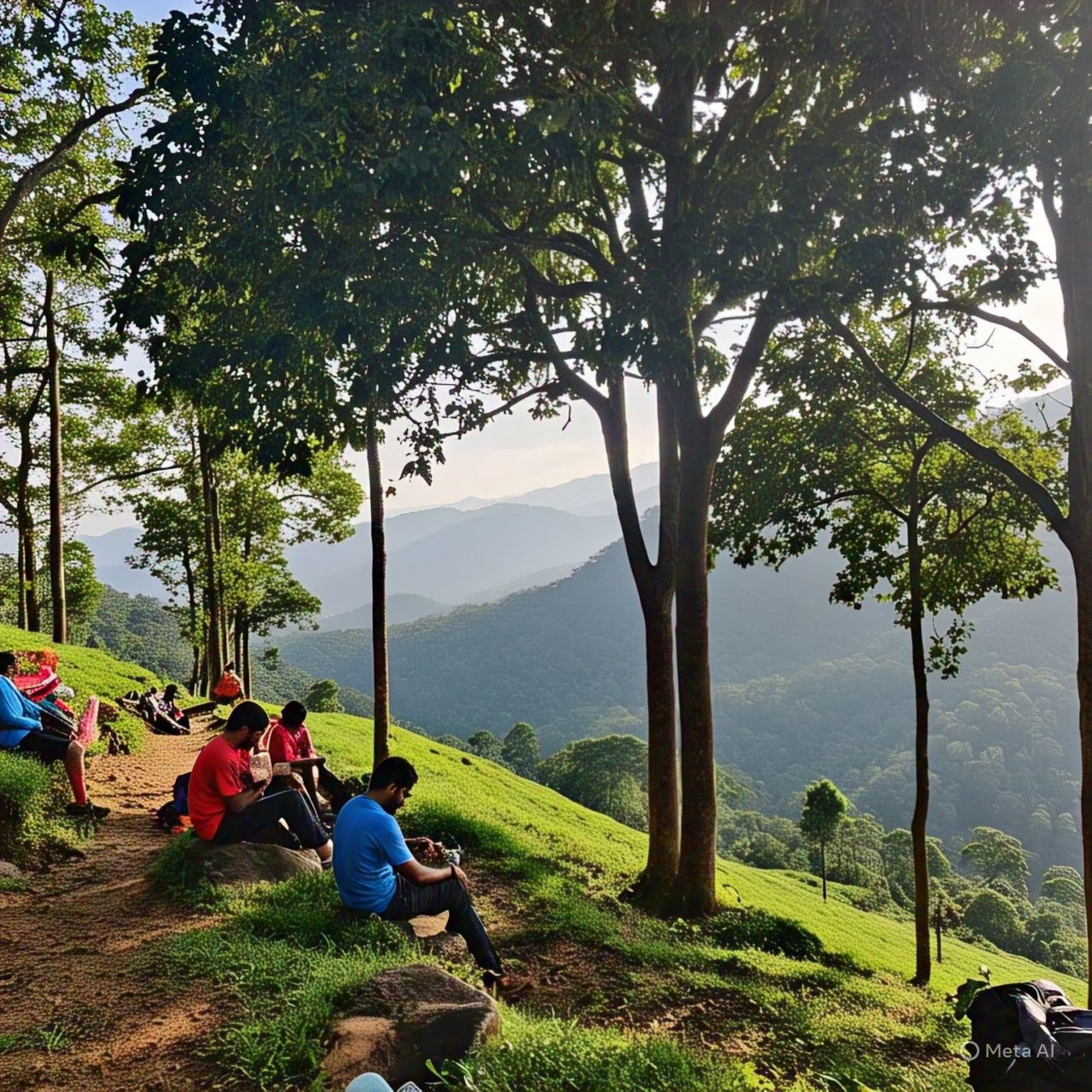
Thekkady’s Bird Watching Spots: A Guide for Enthusiasts

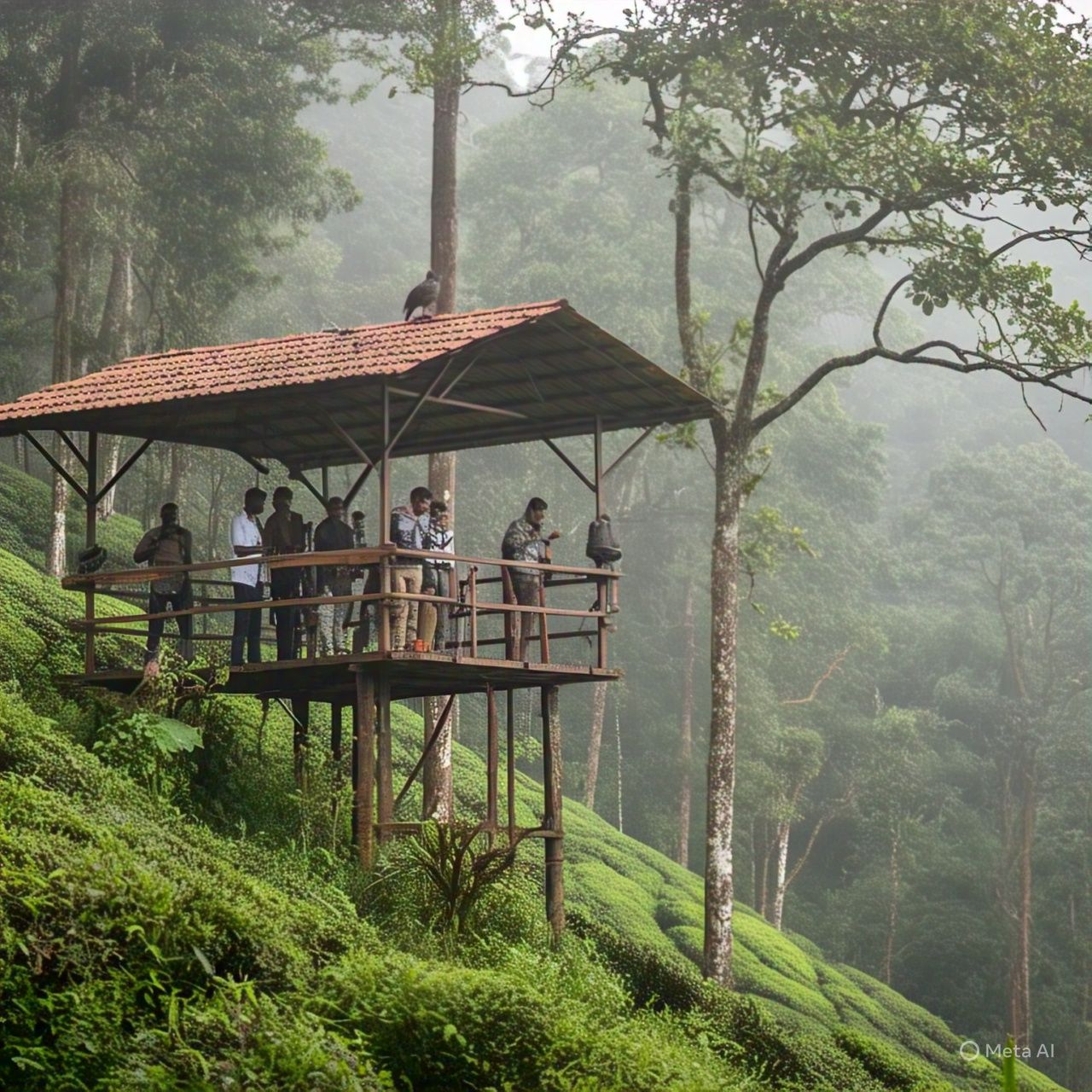
Tucked away in the lush green expanse of Kerala’s Idukki district, Thekkady is widely known for its breathtaking landscapes and rich wildlife. But beyond the iconic Periyar Tiger Reserve and spice plantations, Thekkady offers something truly special for bird lovers — an incredible array of bird watching opportunities. Whether you’re a seasoned birder or a nature enthusiast looking to explore, Thekkady’s bird-watching spots promise a serene and unforgettable experience.

With over 260 species of resident and migratory birds, this scenic destination has become a hotspot for bird watching in South India. In this guide, we’ll take you through the top birding spots in Thekkady, what species to expect, the best time to visit, and useful tips to make the most of your bird watching adventure.


Why Thekkady is a Paradise for Bird Watchers

Thekkady’s rich biodiversity is largely due to the presence of the Western Ghats, a UNESCO World Heritage Site. These forested hills create a perfect ecosystem for birds to thrive. In addition, the Periyar Lake, evergreen forests, and spice gardens offer diverse habitats that attract both local and migratory species.

Transitional Phrase: As a result, Thekkady has become a haven not only for wildlife enthusiasts but also for birding aficionados from around the world.


Top Bird Watching Spots in Thekkady

1. Periyar Tiger Reserve

The Periyar Tiger Reserve is undoubtedly the most popular birding location in Thekkady. Spread across 925 sq. km, this protected area is home to some of the rarest bird species in India.

Notable Birds:

  • Great Hornbill (State Bird of Kerala)
  • Nilgiri Wood Pigeon
  • Malabar Grey Hornbill
  • Black Baza
  • Rufous-bellied Eagle

Transitional Phrase: In addition to mammals and reptiles, Periyar’s bird population is incredibly diverse, making it a must-visit for any birder.


2. Kumily Forest Edge

Situated on the periphery of the reserve, Kumily offers excellent bird watching opportunities without venturing deep into the forest. The region is dotted with spice plantations and semi-forested areas where birds are easily spotted.

Common Sightings:

  • Asian Fairy Bluebird
  • Jungle Myna
  • Golden-fronted Leafbird
  • Oriental Magpie-Robin

Transitional Phrase: Moreover, birding in Kumily can be combined with a visit to spice gardens, making it a culturally rich experience.


3. Pandikuzhi Viewpoint

Located between Chellarkovil and Kumily, Pandikuzhi is a tranquil valley with waterfalls and thick greenery — ideal for quiet bird watching sessions.

Birds to Spot:

  • Indian Pitta
  • Blue-winged Parakeet
  • Brown-cheeked Fulvetta
  • Sunbirds and Flowerpeckers

Transitional Phrase: For those seeking solitude and a panoramic view while birding, Pandikuzhi offers a unique escape from the crowds.


4. Mangala Devi Temple Trail

Accessible only during certain months, the Mangala Devi Temple trail passes through deep forest areas near the Kerala-Tamil Nadu border. This region is less disturbed by tourism and therefore great for spotting shy or rare birds.

Species Highlights:

  • Grey Junglefowl
  • Common Hawk Cuckoo
  • White-bellied Treepie
  • Black-hooded Oriole

Transitional Phrase: Although this trail requires special permission, it rewards birders with sightings not commonly found in tourist-heavy zones.


Best Time for Bird Watching in Thekkady

The best season for bird watching in Thekkady is from October to April. During this period, the climate is cool and pleasant, and many migratory birds arrive from colder regions. Monsoon months (June–September) make the terrain slippery and reduce visibility, although some endemic birds may still be seen.

Transitional Phrase: Therefore, if you’re planning a dedicated bird watching trip, timing your visit during the winter and early summer months is crucial.


Bird Watching Tips for Thekkady Visitors

To enhance your birding experience in Thekkady, keep these useful tips in mind:

  1. Hire a Local Guide: They know the forest trails and bird calls, helping you spot more species.
  2. Carry Binoculars and a Camera: Good quality gear can make a big difference.
  3. Wear Earthy Colors: Avoid bright clothing that might scare off birds.
  4. Start Early: Birds are most active during dawn and early morning hours.
  5. Respect the Environment: Maintain silence, don’t litter, and avoid flash photography.

Transitional Phrase: In addition to following these guidelines, always check with local authorities or resorts about trail availability and safety.


Birding Tours and Packages in Thekkady

Several eco-tour operators and resorts in Thekkady offer curated bird-watching packages. These often include expert guides, transport, and overnight stays in forest lodges. Some popular options include:

  • Periyar Nature Walks
  • Jungle Scout Night Patrols
  • Guided Bird Photography Tours

Transitional Phrase: Additionally, many of these tours are part of Kerala’s Responsible Tourism initiative, supporting local communities and sustainable travel.


Conclusion: Thekkady Awaits Every Bird Lover

Thekkady’s bird watching spots offer more than just visual delight — they provide an immersive experience into the heart of nature. With its rich biodiversity, varied landscapes, and growing eco-tourism support, Thekkady is undoubtedly a top bird-watching destination in Kerala.

Whether you’re hoping to photograph the majestic Great Hornbill or simply enjoy the peaceful melody of forest birds at sunrise, Thekkady ensures that every birding moment becomes a cherished memory.


Thekkady’s Integration of Technology in Tourism Services

In recent years, Thekkady, a lush green haven in Kerala’s Idukki district, has witnessed a remarkable transformation—not just in terms of infrastructure but also in how technology is revolutionizing its tourism services. While Thekkady remains a top destination for wildlife enthusiasts and nature lovers, it is now increasingly recognized for its tech-enabled tourism experiences that enhance convenience, accessibility, and engagement for travelers.

From smart ticketing systems to virtual reality (VR) tours and mobile apps for guided treks, Thekkady is seamlessly blending its natural charm with cutting-edge technology. This fusion is not only boosting tourist satisfaction but also aligning with Kerala’s broader mission of promoting sustainable and smart tourism.


Smart Tourism: Redefining the Visitor Experience in Thekkady

Gone are the days when travelers relied solely on guidebooks and word of mouth. Today, tourists visiting Thekkady can access a range of digital tourism services that make trip planning and exploration hassle-free.

1. Digital Entry Passes & Online Booking Systems

Thanks to digital transformation, visitors can now book Periyar Tiger Reserve entry tickets, bamboo rafting slots, and guided treks online. This eliminates long queues and helps manage crowd flow within eco-sensitive areas.


2. Mobile Apps for Tourists

The Kerala Tourism Department has launched user-friendly mobile apps that feature everything from interactive trail maps and local guides to real-time updates on weather and wildlife sightings. These apps provide a digital companion for tourists as they explore Thekkady’s scenic spots and hidden trails.


3. Virtual Tours and Augmented Reality (AR) Experiences

In a bid to attract tech-savvy travelers, several initiatives now offer virtual reality experiences of Thekkady’s attractions, including VR glimpses of the Periyar Lake and wildlife. Some private resorts also provide AR-enabled guides that overlay information when users point their phones at landmarks.

4. Smart Signage and QR-Based Information Systems

To enrich the on-ground visitor experience, Thekkady has introduced QR code-based information boards at key tourist sites. By simply scanning these codes, visitors can access facts, history, and audio guides in multiple languages.

5. Tech Integration in Eco-Lodges and Resorts

Many eco-resorts in Thekkady are adopting smart technologies such as keyless check-in, automated lighting, and online concierge services. These features enhance guest convenience while maintaining eco-conscious practices.

Enhancing Sustainability Through Technology

One of the standout benefits of Thekkady’s digital transformation is its positive impact on sustainable tourism. By reducing paper waste, limiting unnecessary travel through online services, and optimizing visitor flow, technology is helping to protect Thekkady’s fragile ecosystem.


Collaborations and Government Initiatives

The success of Thekkady’s tech integration is largely attributed to public-private partnerships and the proactive role of the Kerala Tourism Department. Programs like the Responsible Tourism Mission and the Kerala Tourism Vision 2025 have prioritized digitalization to improve service delivery, promote local experiences, and ensure safety.

Future of Tech-Driven Tourism in Thekkady

Looking ahead, Thekkady is poised to embrace even more advanced technologies like AI-powered chatbots, drone-guided eco-tours, and blockchain-based tourist authentication systems. These innovations are expected to make tourism more secure, personalized, and immersive.

Conclusion: Blending Nature with Innovation

Thekkady’s success in integrating technology with tourism services is a testament to Kerala’s vision of smart, inclusive, and eco-friendly travel. By making tourism more efficient, engaging, and accessible, Thekkady is not only enhancing the visitor experience but also setting the standard for tech-enabled eco-tourism in India.

Whether it’s navigating forest trails using GPS, booking adventure activities with a tap, or enjoying a VR wildlife encounter, Thekkady is truly blending nature with innovation. So, for your next holiday, step into the green heart of Kerala and discover how technology is transforming the way we explore.

Thekkady’s Scenic Trails: A Hiker’s Paradise

Thekkady’s Scenic Trails: A Hiker’s Paradise

Thekkady, located in Kerala’s Idukki district, is best known for the world-renowned Periyar Wildlife Sanctuary. However, beyond its wildlife encounters, Thekkady offers a lesser-explored treasure trove for outdoor enthusiasts—scenic hiking trails that wind through dense forests, rolling hills, and aromatic spice plantations. For those who seek an adventure in the lap of nature, Thekkady is truly a hiker’s paradise.

Whether you’re a seasoned trekker or a nature lover looking for peaceful walks, Thekkady’s trails offer something for everyone. This article explores why trekking in Thekkady should be on every adventurer’s bucket list, highlighting the best trails, what to expect, and how to plan your hiking escape.


Why Thekkady is a Dream Destination for Hikers

Thekkady’s terrain is a harmonious blend of tropical forests, highland meadows, and spice gardens, providing a unique and enriching hiking experience. Situated at an altitude of around 900 meters above sea level, the region enjoys a cool, pleasant climate throughout the year, ideal for trekking.

In addition, Thekkady is part of the Western Ghats, a UNESCO World Heritage Site and one of the world’s eight “hottest hotspots” of biological diversity. This means hikers not only enjoy breathtaking landscapes but also encounter rare flora and fauna along the way.


Top Hiking Trails in Thekkady

1. Periyar Tiger Reserve Nature Walk

One of the most popular hiking options, the Nature Walk inside the Periyar Tiger Reserve is perfect for beginners and families. The trail covers 4–5 km and is guided by trained tribal naturalists. Along the route, hikers can spot elephants, sambar deer, langurs, and a wide variety of bird species.

Transitional phrase: In addition to wildlife sightings, the trail offers educational insights into forest ecosystems, making it both enjoyable and informative.


2. Border Hiking Trail

For a more challenging trek, the Border Hiking program is ideal. This full-day hike takes you along the boundaries of the Periyar Wildlife Sanctuary, ascending to altitudes of 900 to 1300 meters. This trail offers panoramic views of the Tamil Nadu plains, pristine meadows, and dense forest areas.

Transitional phrase: Moreover, since the hike is led by armed forest guards and eco-guides, it’s both safe and educational.


3. Bamboo Rafting and Trekking

One of the most unique experiences in Thekkady is the Bamboo Rafting and Trekking combination. Starting with a trek through the forest, the journey continues with a peaceful rafting session on the Periyar Lake. This is ideal for those who want to blend physical activity with serene views of the lake and forest canopy.

Transitional phrase: Not only does this option combine two activities, but it also increases the chances of encountering rare animals in their natural habitat.


4. Pullumedu Trek

The Pullumedu trail is known for its lush grasslands and untouched beauty. This moderately difficult trek winds through meadows, forests, and hills, offering some of the best views of the Sabarimala Temple from a distance.

Transitional phrase: If solitude and scenic beauty are what you seek, this trail delivers a tranquil yet invigorating hiking experience.


5. Kurisumala Trek

Translated as “Mount of the Cross,” Kurisumala is a relatively easy uphill trek and a favorite among pilgrims and casual hikers. The view from the summit includes the Periyar Lake, forests, and nearby villages—perfect for sunrise or sunset photography.

Transitional phrase: What makes this trail truly rewarding is the combination of spiritual significance and natural grandeur.


Best Time to Go Hiking in Thekkady

The ideal hiking season in Thekkady is between October and March, when the weather is cool and dry. However, monsoon lovers may also enjoy hiking in June to September, as the forest becomes lush and vibrant, though trails may be slippery and more challenging.

Transitional phrase: Regardless of the season, always check local weather conditions and obtain necessary permits before setting out.


What to Pack for Hiking in Thekkady

  • Lightweight clothing and a rain jacket
  • Comfortable trekking shoes with good grip
  • Insect repellent and sunscreen
  • Reusable water bottle and snacks
  • Binoculars and a camera for wildlife and birdwatching
  • Personal medications and a small first aid kit

Transitional phrase: Preparing well in advance ensures a safe and enjoyable trekking experience.


Eco-Conscious Hiking in Thekkady

Thekkady places a strong emphasis on sustainable and responsible tourism. Visitors are encouraged to:

  • Avoid littering and carry back waste
  • Stick to marked trails and respect wildlife
  • Use biodegradable products
  • Support local guides and eco-tourism initiatives

Transitional phrase: By treading lightly, hikers contribute to the preservation of Thekkady’s fragile ecosystems.


Local Culture and Post-Hike Experiences

After a day of hiking, relax with local cultural performances, explore spice markets, or enjoy a rejuvenating Ayurvedic massage at a nearby wellness center. Thekkady offers a perfect blend of adventure and relaxation, making it an all-in-one travel destination.

Transitional phrase: Furthermore, engaging with local traditions adds depth and meaning to your outdoor adventure.


Final Thoughts

Thekkady isn’t just about tigers and elephants—it’s about immersing yourself in the natural rhythm of Kerala’s wilderness. With its network of forest trails, mist-covered hills, and eco-guided treks, Thekkady offers a unique hiking experience that combines adventure, biodiversity, and serenity.

Whether you’re embarking on a rugged hike along the sanctuary’s borders or taking a peaceful stroll through a spice plantation, Thekkady’s scenic trails deliver unforgettable moments.

So pack your boots, breathe in the spice-scented air, and discover why Thekkady is the ultimate hiker’s paradise.


Thekkady’s Role in Promoting Ayurveda and Wellness

Nestled in the lush green hills of Kerala, Thekkady is more than just a wildlife and eco-tourism destination. While the Periyar Wildlife Sanctuary and spice plantations draw thousands of nature lovers every year, an equally compelling reason to visit Thekkady lies in its deep-rooted connection to Ayurveda and holistic wellness. As the world increasingly seeks natural healing and sustainable wellness solutions, Thekkady has emerged as a tranquil haven that offers authentic Ayurvedic therapies in the lap of nature.

Thekkady: Where Nature and Healing Meet

Kerala has long been recognized as the cradle of Ayurveda, the ancient Indian system of medicine that emphasizes balance between body, mind, and spirit. Thekkady, with its serene ambiance, clean air, and proximity to abundant herbs and medicinal plants, provides an ideal setting for Ayurvedic practices to flourish.

The peaceful environment of Thekkady is a therapeutic experience in itself. Surrounded by dense forests, spice-scented plantations, and gentle hills, the region naturally calms the senses—setting the perfect stage for healing treatments, meditation, and rejuvenation.

Authentic Ayurvedic Centers and Resorts

Thekkady is home to a range of wellness centers and Ayurvedic resorts that adhere strictly to traditional Ayurvedic principles. Many of these centers are certified by the Government of Kerala and operate under the guidance of qualified Ayurvedic doctors and trained therapists.

Leading Ayurvedic resorts such as Shinshiva Ayurvedic Resort, Spice Village CGH Earth, and Niraamaya Retreats offer a variety of wellness packages that include detoxification (Panchakarma), stress relief, skin rejuvenation, and chronic pain management therapies. These programs are customized based on the individual’s body constitution or dosha (Vata, Pitta, Kapha), dietary needs, and health goals.

Some resorts also incorporate yoga, meditation, and nature walks into their wellness packages, offering a holistic healing experience that extends beyond physical health to include mental clarity and emotional well-being.

Panchakarma: A Signature Experience

One of the most sought-after wellness experiences in Thekkady is Panchakarma, the five-fold Ayurvedic detoxification treatment. It is designed to cleanse the body of toxins, strengthen the immune system, and restore balance. The process typically includes therapeutic massages, herbal steam baths, medicated enemas, nasal cleansing, and a specially designed diet.

Guests who undergo Panchakarma in Thekkady often spend a minimum of 7 to 21 days under close supervision. The tranquil setting enhances the healing process, allowing individuals to disconnect from the chaos of daily life and reconnect with themselves.

Indigenous Herbs and Medicinal Plants

Thekkady’s proximity to forests rich in medicinal flora plays a crucial role in the authenticity and effectiveness of its Ayurvedic treatments. The Western Ghats are known to harbor thousands of species of herbs and medicinal plants, many of which are endemic and used in traditional formulations.

Local Ayurvedic practitioners often source fresh herbs directly from the forests or organic farms. Ingredients like turmeric, ashwagandha, neem, tulsi, and ginger are commonly used in therapies and herbal concoctions.

In some centers, guests are even encouraged to learn about these herbs through guided tours in spice gardens, where they can see, touch, and smell the plants used in their treatments, adding an educational layer to their wellness journey.

Wellness for the Mind: Yoga and Meditation

In addition to physical therapies, mental wellness is an integral part of the Ayurvedic approach in Thekkady. Many wellness retreats conduct daily yoga and meditation sessions amidst nature, on open decks overlooking forests or in dedicated shalas surrounded by trees and birdsong.

Yoga styles range from gentle Hatha to more vigorous Vinyasa, with expert instructors guiding participants through breathing techniques (pranayama), postures (asanas), and meditative practices that complement the healing process.

These practices are especially beneficial for urban travelers suffering from stress, anxiety, and fatigue, helping them achieve mental peace and emotional balance.

Sustainable Wellness Tourism

What sets Thekkady apart as a wellness destination is its commitment to sustainability. Several Ayurvedic resorts operate on eco-friendly principles—employing renewable energy, practicing rainwater harvesting, growing their own organic herbs and vegetables, and avoiding plastic. This not only preserves the natural environment but also ensures that treatments are free from pollutants and toxins.

By integrating wellness with eco-tourism, Thekkady offers a sustainable model that benefits both visitors and the local community. Many centers employ local therapists, promote indigenous knowledge systems, and support organic farmers—contributing to rural development while preserving ancient traditions.

A Journey Beyond the Body

Wellness in Thekkady goes beyond spa indulgence. It is a transformative journey that invites travelers to slow down, tune into their bodies, and reconnect with nature. The soothing sounds of the forest, the aroma of spices and herbs, and the rhythm of traditional Ayurvedic rituals create a multi-sensory healing experience.

Whether you are recovering from a lifestyle disease, seeking relief from stress, or simply looking to recharge your mind and body, Thekkady offers an opportunity to embrace a life of harmony and holistic well-being.

Planning Your Ayurvedic Wellness Retreat in Thekkady

  • Best Time to Visit: The ideal time for Ayurvedic treatments is during the monsoon season (June to September), when the climate is cool and moist, perfect for herbal absorption and body detoxification.
  • Duration: For noticeable results, a stay of at least 7 to 14 days is recommended. Some programs extend up to 28 days for chronic conditions.
  • Consultation: Always start with a consultation with an Ayurvedic doctor who will diagnose your dosha and recommend a personalized treatment plan.
  • Accommodation: Choose certified wellness resorts that follow classical Ayurvedic protocols and maintain high hygiene standards.

Final Thoughts

Thekkady stands at the intersection of nature, tradition, and wellness. It doesn’t just offer Ayurvedic treatments—it offers an experience of returning to the roots of well-being. As wellness travelers seek authentic, meaningful, and nature-connected experiences, Thekkady’s role as a sanctuary of Ayurveda is only set to grow.

In a world dominated by fast-paced living and synthetic solutions, Thekkady’s timeless wisdom, natural bounty, and soulful serenity remind us that healing begins when we align with the rhythms of nature.

Thekkady’s Festivals: A Cultural Extravaganza

Located in the lush Western Ghats of Kerala, Thekkady is widely known for its breathtaking natural beauty, wildlife safaris, and spice plantations. However, beyond its scenic landscapes and adventure offerings, Thekkady also serves as a vibrant cultural hub. The region comes alive during its festivals, offering tourists a unique opportunity to witness Kerala’s rich traditions, music, art, and devotion. If you plan your trip right, you’ll experience a colorful and deeply spiritual side of Thekkady.

In this article, we explore the most celebrated festivals in Thekkady, their significance, and how they transform this tranquil town into a lively cultural extravaganza.


Why Festivals Are Integral to Thekkady’s Culture

Before diving into specific events, it’s important to understand that festivals in Thekkady are more than just occasions for celebration. They are deeply intertwined with Kerala’s religious customs, temple traditions, and community values. These festivals attract not only locals but also international tourists who are eager to engage in authentic cultural experiences.


1. Sabarimala Pilgrimage Season: Spiritual Fervor in the Hills

While the famed Sabarimala Temple is not located directly in Thekkady, the nearby town of Vandiperiyar and other regions around Thekkady become busy during the Mandala-Makaravilakku pilgrimage season (November to January). Thousands of devotees pass through Thekkady en route to Sabarimala.

During this time, the air is filled with devotional chants, and many local temples in Thekkady hold special rituals and processions, adding to the spiritual ambiance.

Transition phrase: Moreover, for spiritually inclined travelers, this season offers a unique blend of religious fervor and local hospitality.


2. Vishu: Welcoming the Malayali New Year

Celebrated in mid-April, Vishu marks the Malayali New Year, a festival of light, prosperity, and family bonding. In Thekkady, locals celebrate by preparing the Vishukkani — an auspicious arrangement of fruits, rice, flowers, and coins — and lighting lamps at dawn.

Tourists visiting during Vishu are often welcomed into homestays or resorts where they can enjoy:

  • Traditional Vishu feasts (Sadya)
  • Fireworks displays
  • Cultural programs like Kathakali and Chenda Melam (drum ensembles)

Transition phrase: In addition to the rituals, Vishu in Thekkady is also a culinary and visual treat.

SEO Keywords: Vishu festival Kerala, Vishu celebrations Thekkady, Kerala New Year traditions


3. Onam: The Festival of Harvest and Hospitality

If there’s one festival that truly showcases Kerala’s cultural grandeur, it’s Onam. Celebrated in August or September, Onam is a harvest festival that unites people across communities. In Thekkady, the festival is marked by:

  • Colorful Pookalam (flower rangoli)
  • Traditional dances like Thiruvathira
  • Boat races on nearby water bodies (though more popular in Alappuzha, some small-scale versions occur near Thekkady)
  • Lavish Onam Sadya (feast served on banana leaves)

Several resorts and hotels organize Onam-themed evenings for guests, offering a perfect introduction to Kerala’s festive spirit.

Transition phrase: Furthermore, Onam is the best time to witness Kerala’s legendary hospitality in full bloom.


4. Margazhi Festival and Temple Arts

Held during December–January, the Margazhi season (as known in Tamil Nadu and Kerala) is a sacred time for temple worship and classical arts. In Thekkady, many temples host:

  • Carnatic music concerts
  • Bharatanatyam and Mohiniyattam performances
  • Temple processions with caparisoned elephants and traditional drums

Tourists visiting Thekkady during this time can enjoy these spiritually uplifting experiences at local temples such as Mangala Devi Temple or Sree Dharma Sastha Temple in Kumily.


5. Thekkady Tourism and Spice Festival

Another event that has gained popularity in recent years is the Thekkady Spice and Tourism Festival, typically organized by the Kerala Tourism Department and local authorities. This multi-day event showcases:

  • Spice-themed exhibitions
  • Traditional Kerala food stalls
  • Art and dance performances
  • Local handicraft displays

Transition phrase: Not only does this festival promote local artisans and spice farmers, but it also provides interactive experiences for tourists, such as spice garden tours and cooking workshops.


What Tourists Can Expect During Festival Season

Visiting Thekkady during a festival gives travelers a richer, more immersive experience. Here’s what to expect:

  • Vibrant streets adorned with lights and decorations
  • Traditional costumes worn by locals, especially during temple processions
  • Live performances in open-air venues or at resorts
  • Opportunities to participate in local rituals or feast-sharing

Many resorts and hotels in Thekkady also design festival-themed experiences, including guided visits to temples, on-site performances, and local cuisine tastings.


Best Time to Visit Thekkady for Festivals

The festival calendar in Thekkady spans most of the year, but the peak season for festival tourism is from August to January, covering Onam, Sabarimala, Margazhi, and Vishu preparations. This also aligns with Kerala’s pleasant weather, making it ideal for sightseeing and wildlife activities as well.


Tips for Experiencing Festivals in Thekkady

To make the most of your festival experience:

  • Plan your trip around major festival dates (check with Kerala Tourism or local resort calendars)
  • Stay in locally-run homestays or cultural resorts
  • Dress modestly when visiting temples or joining processions
  • Learn a few Malayalam phrases to connect better with locals
  • Support local artisans and food vendors


Conclusion: Celebrate Culture in the Heart of Nature

In conclusion, Thekkady offers far more than just scenic views and wildlife adventures. Its festivals bring to life the soul of Kerala, offering an unforgettable fusion of tradition, music, dance, devotion, and community warmth. Whether you’re watching a drum procession wind through misty hills or sharing a banana-leaf feast with a local family, every moment spent during a festival in Thekkady becomes a cherished memory.

So, if you’re planning a trip to Kerala, make sure to align it with one of Thekkady’s cultural festivals — and immerse yourself in a celebration that will touch your heart and stir your soul.

Thekkady’s Water Bodies: Boating and Beyond

Set against the scenic backdrop of Kerala’s Western Ghats, Thekkady is celebrated for its lush landscapes, exotic wildlife, and aromatic spice plantations. However, one of the region’s most captivating features remains its pristine water bodies — especially those nestled within the famous Periyar Tiger Reserve. From serene boat rides to nature walks along the lake, Thekkady’s water experiences offer travelers an exciting blend of adventure, relaxation, and wildlife encounters.

In this article, we’ll take you through the top water-based attractions in Thekkady, why they’re worth your visit, and how you can best enjoy these tranquil treasures beyond just boating.


Boating in Thekkady: The Crown Jewel of Periyar Lake

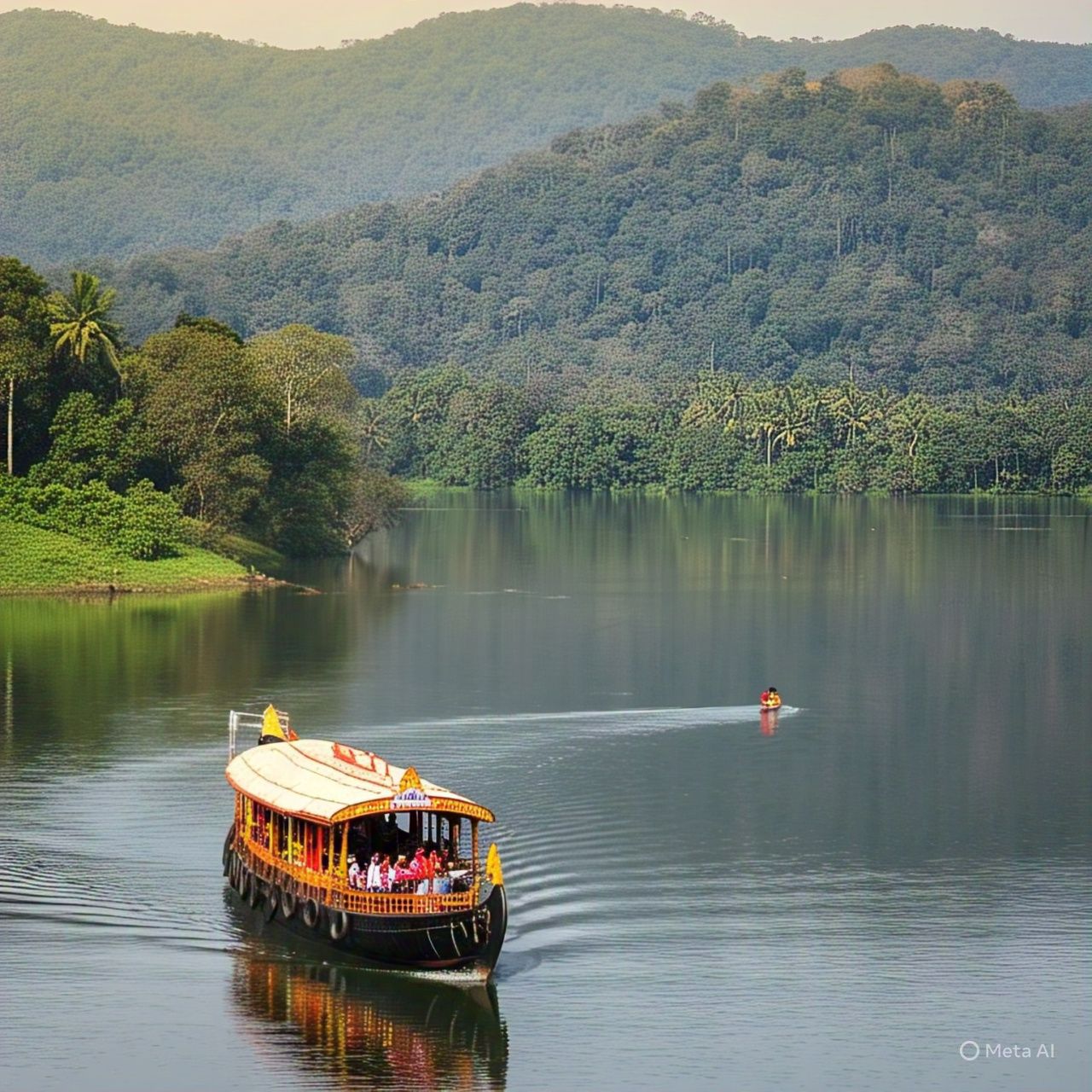
Without a doubt, boating in Periyar Lake is the most iconic and sought-after activity in Thekkady. Situated within the Periyar Wildlife Sanctuary, this man-made reservoir stretches across lush forests and rolling hills, creating a surreal setting for wildlife and bird sightings.

1. Why Boating on Periyar Lake is a Must

Tourists can enjoy a leisurely 1.5 to 2-hour boat ride, often operated by the Kerala Forest Department or KTDC. These trips give travelers a chance to spot:

  • Wild elephants bathing along the shore
  • Herds of deer grazing peacefully
  • A variety of birds, including hornbills and kingfishers
  • Occasionally, even a tiger or a leopard at the water’s edge

The early morning and late afternoon cruises offer the best wildlife viewing opportunities, thanks to the cooler temperatures and active animal movement.


Types of Boats and Tips for Visitors

Travelers can choose from double-deck motorboats or eco-friendly bamboo rafts, depending on their preference for comfort or adventure. It’s advised to:

  • Book tickets in advance, especially during peak tourist seasons (November to March)
  • Arrive at least 30 minutes early
  • Carry binoculars and wear earthy colors for better wildlife interaction


Beyond Boating: Other Water-Based Experiences in Thekkady

While boating is the star attraction, there’s much more to Thekkady’s aquatic landscape than meets the eye. Let’s explore some of the lesser-known yet equally enchanting water-centric activities for nature enthusiasts and adventure seekers.

1. Bamboo Rafting Adventure

Offered as part of a full-day eco-tourism program within the Periyar Tiger Reserve, bamboo rafting is ideal for those looking for a peaceful yet immersive experience. Guided by forest rangers, this soft adventure combines trekking and rafting, allowing you to:

  • Traverse through deep forests
  • Spot birds, butterflies, and small mammals
  • Glide silently through calm waters on traditional bamboo rafts

It’s perfect for eco-conscious travelers who wish to connect deeply with nature.


2. Nature Walks Along River Trails

The Periyar region is blessed with intertwining river systems and water streams, many of which serve as pathways for guided nature walks. These walks, led by trained local guides, give tourists a close look at flora, fauna, and sustainable water management practices in the forest.

Whether you’re an amateur botanist or a birdwatching enthusiast, these streamside trails offer tranquility and insight into Thekkady’s ecosystem.


3. Lakeside Picnics and Photography

For travelers who prefer leisure over activity, the lake surroundings offer secluded picnic spots and picture-perfect scenery. The reflections of emerald trees on the lake’s glassy surface make it a photographer’s paradise. Don’t forget to bring your camera to capture:

  • Sunset hues over the water
  • Birds in mid-flight
  • Misty landscapes during early mornings


Responsible Travel: Protecting Thekkady’s Water Bodies

While enjoying these pristine environments, it’s essential to follow eco-tourism guidelines to ensure that Thekkady’s water bodies remain unspoiled for future generations. Here are a few traveler tips:

  • Avoid littering in or around the lake
  • Use eco-friendly products and reusable water bottles
  • Respect wildlife by maintaining silence and distance

The Kerala Forest Department and local NGOs work diligently to promote sustainable tourism in Thekkady, and visitors are encouraged to support this mission.


Accommodation Near the Water: Where to Stay in Thekkady

Several eco-resorts and lakeside accommodations offer stunning views of Periyar Lake and surrounding rivers. Some resorts even provide private access to the lake or guided canoeing excursions for their guests.

Recommended stays include:

  • KTDC Lake Palace (a heritage hotel on the lake island)

Staying close to the water ensures a more immersive and serene experience, especially for early-morning birdwatchers and adventure lovers.


Best Time to Visit Thekkady for Water Activities

The best time to explore Thekkady’s water bodies is from October to March, when the weather is cooler, the forests are lush, and animal activity is high. However, the monsoon months (June to September) also bring a different kind of beauty, with swollen rivers, misty horizons, and vibrant greenery — ideal for nature photography.


How to Reach Thekkady

Thekkady is well-connected by road from major Kerala cities:

  • From Cochin International Airport: 165 km (approx. 5 hours)
  • From Madurai Airport: 140 km (approx. 4 hours)
  • Nearest railway station: Kottayam, 110 km away

Regular buses and taxis operate to and from Kumily, the gateway town to Thekkady.


Conclusion: Dive into Thekkady’s Blue Heart

In conclusion, Thekkady’s water bodies offer far more than just scenic views—they’re living ecosystems, home to rare wildlife, and gateways to unforgettable experiences. Whether you’re gliding through the lake on a boat, rafting silently on bamboo, or strolling along jungle streams, each moment spent near water in Thekkady deepens your connection with nature.

As tourism in Thekkady grows, so does the importance of preserving its aquatic landscapes. By choosing eco-friendly tours, supporting local guides, and practicing mindful travel, you help ensure that these natural treasures continue to thrive.

So, on your next trip to Kerala, don’t just pass through Thekkady — immerse yourself in its waters and let its peaceful rhythms refresh your soul.


Thekkady’s Handicrafts: A Showcase of Local Talent

Nestled in the lush hills of Kerala’s Idukki district, Thekkady is world-renowned for the Periyar Wildlife Sanctuary, spice plantations, and scenic backwaters. However, beyond its natural beauty and wildlife adventures, Thekkady offers another enriching experience that travelers often overlook — its vibrant handicrafts scene. Steeped in tradition and skill, Thekkady’s local handicrafts are a true reflection of the region’s culture, history, and the talent of its artisans.

In this article, we delve deep into the world of Thekkady’s handicrafts — exploring their origins, types, significance, and how they contribute to the local economy and sustainable tourism.


The Art of Crafting in Thekkady: A Cultural Legacy

Kerala’s artistic legacy is deeply embedded in its villages, and Thekkady is no exception. Generations of artisans have passed down traditional craftsmanship techniques, preserving the authenticity and uniqueness of local handicrafts. These crafts are often made using natural materials such as coconut shells, bamboo, cane, wood, and coir, reflecting the region’s sustainable approach to artistry.

Moreover, many of these artisans come from tribal communities who have historically relied on handicrafts for both utility and cultural expression. With tourism flourishing in Thekkady, these indigenous art forms have found new life as souvenirs and decorative items.


Popular Handicrafts of Thekkady: What to Look Out For

When exploring local markets or artisan shops in Thekkady, you’ll come across a wide array of handmade items — each with a story to tell. These items are not just keepsakes but cultural artifacts, embodying the spirit of Kerala’s artistic tradition.

1. Bamboo and Cane Products

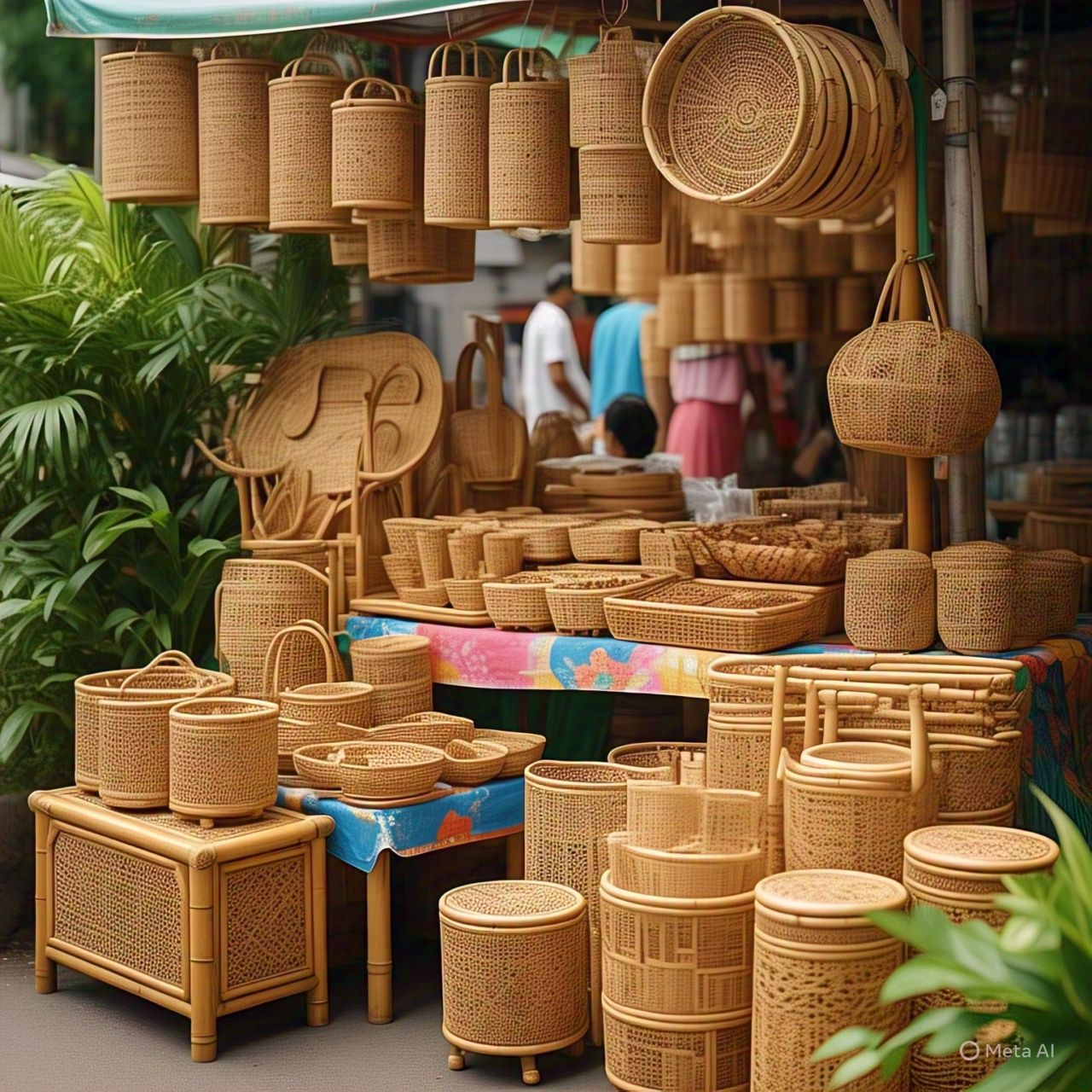
Crafted with precision and eco-consciousness, bamboo baskets, trays, mats, and lampshades are among the most common handicrafts sold in Thekkady. These products are not only beautiful but also sustainable and functional.

2. Coconut Shell Handicrafts

The hard shell of coconuts is skillfully carved into decorative bowls, keychains, and spoons. These unique items are popular among eco-friendly travelers.

3. Wooden Sculptures and Carvings

From miniature elephants to intricate wall hangings, local woodworkers showcase exceptional skill in shaping teak, sandalwood, and rosewood into stunning artifacts.

4. Coir Products

Coir, derived from coconut husks, is used to make mats, bags, and even sandals. These products are both durable and biodegradable, supporting eco-tourism in Thekkady.

5. Tribal Jewelry and Ornaments

Made using natural materials like seeds, bones, and beads, tribal jewelry represents the rich cultural identity of Kerala’s indigenous communities.


Where to Buy Handicrafts in Thekkady

If you’re wondering where to purchase authentic local crafts, Thekkady has several markets and centers that support artisan livelihoods while offering visitors a curated cultural experience.

1. Thekkady Spice Market

While primarily known for selling spices, this bustling market also features stalls selling handwoven baskets, handmade soaps, and carved wooden trinkets.

2. Government-Run Handicraft Emporiums

Shops like Kairali, operated by the Kerala government, sell authentic and fairly priced handicrafts made by certified local artisans.

3. Tribal Craft Exhibitions and Local Workshops

During certain times of the year, tribal exhibitions and fairs offer visitors a chance to buy products directly from the makers and even observe live demonstrations of craft techniques.


Empowering Local Communities Through Handicrafts

Beyond their artistic value, handicrafts play a pivotal role in empowering Thekkady’s local communities, especially women and tribal groups. Many women’s cooperatives and self-help groups have emerged over the past decade, training locals in craft-making and helping them market their products to tourists.

These initiatives not only generate income but also:

  • Preserve traditional skills
  • Foster gender equality
  • Promote sustainable economic development

Additionally, tourists who purchase these products contribute directly to community-based tourism, creating a meaningful travel experience that benefits both parties.


Sustainability and Eco-Conscious Craftsmanship

In an era where mass-produced souvenirs often dominate tourist markets, Thekkady’s handcrafted products offer an eco-friendly and ethical alternative. Made using biodegradable or upcycled materials, these crafts support:

  • Waste reduction
  • Eco-tourism initiatives
  • Conservation awareness

Moreover, by embracing sustainable shopping practices, visitors can make responsible choices that align with the values of green travel.


How Travelers Can Support Local Handicraft Culture

For those visiting Thekkady, supporting the local craft scene is easier than ever — and incredibly rewarding. Here are a few ways to make your trip more impactful:

1. Buy Directly from Artisans

Whenever possible, purchase crafts directly from the creators at local fairs or cooperative stores.

2. Visit Craft Workshops

Many artisans offer workshops or demonstrations. Participating in one not only enhances your experience but also helps support these businesses.

3. Promote Artisan Stories

Share your experience on social media or travel blogs, helping to give visibility to these unsung creators.

SEO Keywords: support local artisans India, ethical shopping travel, craft workshops Thekkady


The Future of Handicrafts in Thekkady

With increasing global interest in slow travel and sustainable tourism, the future looks promising for Thekkady’s handicraft industry. Government initiatives, private organizations, and NGOs are now working hand-in-hand with local artisans to:

  • Expand market reach through e-commerce
  • Offer skill development and business training
  • Integrate crafts into cultural tourism packages

As tourism evolves, so does the opportunity for handicrafts to become a cornerstone of Thekkady’s cultural identity and economic growth.

SEO Keywords: future of handicrafts India, craft tourism Kerala, artisan economy Thekkady


Conclusion: Handcrafted Beauty with a Purpose

In conclusion, Thekkady’s handicrafts are more than just souvenirs—they are living pieces of tradition, creativity, and community spirit. Each handmade object tells a story of resilience, resourcefulness, and regional pride. As a traveler, choosing to engage with and support local artisans doesn’t just enrich your journey; it fuels a sustainable and inclusive tourism economy.

Whether you’re drawn to the artistry of bamboo work or the rustic charm of tribal jewelry, there is something in Thekkady’s handicraft scene for everyone. So, the next time you visit this lush corner of Kerala, take a moment to explore its markets and maker spaces — and take home a piece of its soul.

The Role of Women in Thekkady’s Tourism Industry

In the heart of Kerala’s Idukki district lies Thekkady, a lush green paradise known for the Periyar Tiger Reserve, eco-tourism, and vibrant local culture. While the region’s natural beauty is often highlighted in travel guides, an equally inspiring narrative lies just beneath the surface — the growing role of women in Thekkady’s tourism industry. From managing homestays and guiding nature treks to running spice plantations and leading cultural programs, women in Thekkady are reshaping the region’s tourism economy with resilience, entrepreneurship, and cultural pride.

This article explores the significant contributions of women to Thekkady’s thriving tourism sector, the challenges they face, the empowerment programs driving change, and how travelers can support women-led initiatives.


Tourism in Thekkady: A Snapshot

Tourism in Thekkady revolves around eco-tourism, wildlife safaris, spice tourism, and cultural experiences. With travelers increasingly seeking authentic and sustainable travel experiences, the role of local communities, especially women, has become more crucial than ever. Over the past two decades, female participation in Thekkady’s tourism ecosystem has steadily increased, driven by government support, NGO interventions, and changing societal norms.


Women as Catalysts of Community-Based Tourism

One of the most transformative developments in Thekkady has been the rise of community-based tourism models. These models place locals—especially women—at the center of the travel experience. Women have embraced this opportunity to earn sustainable livelihoods while showcasing Kerala’s cultural richness.

Popular Women-Led Activities in Thekkady Include:

  • Guided Spice Garden Tours
  • Traditional Cooking Classes
  • Cultural Performances (Kathakali, tribal dance)
  • Artisanal Product Sales (handicrafts, natural soaps, spices)

These activities not only provide income but also serve as platforms for cultural preservation.


The Rise of Female Homestay Owners

Transitioning from passive homemakers to empowered entrepreneurs, many women in Thekkady have turned their homes into welcoming homestays. These accommodations offer tourists a window into authentic Kerala life—complete with home-cooked meals, traditional décor, and warm hospitality.

Advantages of Homestays Managed by Women:

  • Personal connection and cultural immersion
  • Homegrown food made from fresh local ingredients
  • Sustainable, low-impact travel model

With digital platforms and tourism support centers aiding in marketing, women are gaining confidence as entrepreneurs and decision-makers in the tourism space.


Empowerment Through Eco-Tourism

Eco-tourism in Thekkady goes beyond wildlife—it’s about sustainability, community welfare, and gender inclusion. The Periyar Tiger Reserve’s eco-tourism programs, supported by the Kerala Forest Department, have trained and employed women in various roles, including:

  • Nature Guides
  • Forest Guards
  • Canoe Operators
  • Craft Instructors

Through these roles, women gain financial independence, environmental awareness, and community respect. Moreover, these eco-tourism initiatives promote responsible travel, ensuring that both nature and people benefit from tourism.


Challenges Women Face in Thekkady’s Tourism Sector

Despite the progress, several barriers still hinder the full participation of women in Thekkady’s tourism economy. These include:

  • Cultural restrictions and gender norms
  • Limited access to capital and resources
  • Lack of formal training in hospitality and language skills
  • Balancing domestic responsibilities with professional work

However, ongoing training programs, NGO support, and tourism cooperatives are helping women overcome these challenges. Notably, the Kerala government has implemented policies aimed at promoting gender equality in tourism ventures.

Transition: As institutional support grows, so does the visibility of women entrepreneurs in Thekkady’s tourism sector.


Women Entrepreneurs Driving Innovation

From eco-resorts and ayurvedic centers to tour agencies and tribal art cooperatives, women in Thekkady are now launching and managing their own tourism enterprises. These ventures often emphasize sustainability, wellness, and cultural storytelling, appealing to conscious travelers.

Examples of Successful Women Entrepreneurs in Thekkady:

  • Women-run spice stores offering organic, locally-sourced spices.
  • Boutique ayurveda and yoga retreats managed by female practitioners.
  • Tribal heritage museums curated and guided by women.

Their success stories serve as powerful role models for younger generations, inspiring more women to step into leadership roles within the tourism economy.


Cultural Preservation Through Women’s Involvement

Another profound impact of women’s involvement in tourism is the revival and preservation of cultural traditions. Whether it’s through preparing age-old recipes, narrating local folklore, or performing tribal dances, women act as cultural ambassadors of Thekkady.

By monetizing their cultural knowledge in ethical ways, women not only preserve traditions but also pass them on to future generations and curious travelers.


How Tourists Can Support Women in Thekkady

As a traveler, your choices have a direct impact on the community. To support gender-inclusive tourism in Thekkady:

  • Choose women-run homestays and tour agencies
  • Attend female-led workshops or cultural shows
  • Buy locally made products from women artisans
  • Offer respectful engagement and feedback to help improve their businesses

By consciously opting for women-led experiences, tourists contribute to a more equitable and inclusive tourism economy.


Conclusion: Empowering Women, Enriching Tourism in Thekkady

The evolving role of women in Thekkady’s tourism industry is not just a success story—it’s a social revolution in progress. From forest trails to family kitchens, from spice markets to homestays, women are actively shaping the way travelers experience Thekkady.

As Kerala continues to lead India in inclusive development and eco-tourism, Thekkady stands out as a beacon of how empowering women can transform tourism into a force for good—for individuals, families, communities, and the environment.

Every step you take on Thekkady’s scenic paths is also a step toward empowering the women who keep its cultural and ecological legacy alive.

Thekkady’s Efforts in Elephant Conservation

Nestled in the verdant hills of Kerala’s Idukki district, Thekkady is globally renowned for its rich biodiversity, lush greenery, and, most notably, its elephant population. Home to the famous Periyar Tiger Reserve, Thekkady is not only a haven for big cats but also one of the most important hubs for elephant conservation in India. Over the years, Thekkady has emerged as a model for wildlife preservation, sustainable tourism, and elephant-friendly initiatives that strike a fine balance between development and ecological responsibility.

In this article, we explore Thekkady’s elephant conservation efforts, key initiatives by the Periyar Tiger Reserve, the role of eco-tourism, and how travelers can contribute to protecting one of Earth’s most majestic creatures.


Why Elephant Conservation Matters

Elephants are a keystone species—they play a crucial role in maintaining the health of forest ecosystems. However, threats like habitat loss, human-elephant conflict, and poaching continue to endanger their survival across India. Thekkady, with its dense forests, perennial water sources, and dedicated conservation programs, offers a safe refuge for Asian elephants, making it a critical region for conservation work.


The Role of Periyar Tiger Reserve in Elephant Protection

The Periyar Tiger Reserve (PTR) is at the forefront of Thekkady’s wildlife conservation efforts. Spanning over 900 sq. km, the reserve is home to over 1,000 elephants, making it one of the largest elephant populations in southern India. PTR’s conservation strategies are multi-faceted, integrating scientific monitoring, community participation, and sustainable tourism.

Key Initiatives Include:

  • Habitat Management: Ensuring free movement through corridors and protecting natural water sources.
  • Anti-Poaching Patrols: Constant surveillance by trained forest guards and use of modern technology like drones and camera traps.
  • Research and Monitoring: Continuous tracking of elephant movements to prevent human-elephant conflict.


Eco-Tourism and Elephant-Friendly Practices

Unlike some parts of India where elephants are used for rides or performances, Thekkady has taken a bold stance against such activities. The focus here is on ethical wildlife tourism that prioritizes the well-being of animals and educates tourists about the importance of conservation.

Elephant Conservation-Centric Tourism in Thekkady Includes:

  • Ethical Elephant Viewing: Boating in Periyar Lake allows tourists to watch elephants in their natural habitat without disturbing them.
  • Guided Nature Walks: Led by trained naturalists, these walks often focus on elephant ecology and behavior.
  • Interpretation Centers: Places like the Periyar Eco Tourism Center offer insights into the importance of protecting elephants and biodiversity.

Transition: While eco-tourism educates visitors, it’s the involvement of local communities that ensures long-term success.


Community Participation in Conservation

One of the standout features of Thekkady’s approach to conservation is the active participation of local tribal communities such as the Mannan and Paliyan tribes. Their deep knowledge of the forest ecosystem and traditional coexistence with elephants have been vital in monitoring and protecting these animals.

Community-Led Programs:

  • Eco-Development Committees (EDCs): Formed under the Kerala Forest Department, these groups include locals who assist in forest protection, eco-tourism activities, and awareness campaigns.
  • Tribal Guides and Forest Watchers: Many tribal members are now trained to lead treks and patrol forest borders, helping to deter illegal activities.


Tackling Human-Elephant Conflict

As elephant habitats shrink, encounters between humans and elephants are increasing. Thekkady’s conservation model includes proactive conflict mitigation measures to ensure the safety of both wildlife and local residents.

Conflict Reduction Strategies:

  • Early Warning Systems: Use of alert mechanisms to inform locals when elephants approach farmlands.
  • Elephant Corridors: Identifying and protecting natural routes used by elephants to avoid human settlements.
  • Compensation Schemes: Quick and fair compensation for crop damage encourages local support for conservation.


The Elephant Camp Initiative

For those who want to learn more about elephants in a responsible and respectful environment, the Elephant Camp in Thekkady offers an educational experience rather than entertainment. Here, elephants are not made to perform but are cared for with dignity.

What Visitors Can Learn:

  • Elephant behavior and body language.
  • Traditional elephant care methods used by mahouts.
  • Conservation challenges faced by Asian elephants.


Research and Conservation Education

Thekkady also hosts several research projects and education programs aimed at conservation. Collaboration between NGOs, the Forest Department, and academic institutions helps generate valuable data for policy-making and forest management.

Notable Research Areas:

  • Elephant migratory patterns.
  • Impact of climate change on elephant habitats.
  • Genetic studies for population tracking.


How Tourists Can Contribute to Elephant Conservation in Thekkady

Travelers play a crucial role in supporting Thekkady’s conservation goals. By making ethical choices and respecting wildlife rules, tourists can help ensure the long-term protection of elephants.

Tips for Responsible Travel:

  • Avoid any venue that offers elephant rides or shows.
  • Support eco-tourism operators certified by the Forest Department.
  • Participate in guided conservation activities to learn and spread awareness.
  • Donate to verified elephant conservation funds or local NGOs.

SEO Keywords: responsible tourism Thekkady, support elephant conservation, wildlife friendly travel Kerala


Conclusion: Thekkady—A Model for Elephant Conservation in India

Thekkady stands as a shining example of how wildlife conservation, eco-tourism, and community involvement can come together to create a sustainable and ethical environment for elephants. By protecting habitats, involving locals, and rejecting exploitative tourism, Thekkady ensures that future generations can continue to witness these gentle giants in their natural splendor.

As awareness grows and more travelers choose conscious tourism, Thekkady’s efforts in elephant conservation will serve as a blueprint for wildlife protection across India and beyond. Every visit to this green paradise can be a step toward preserving the planet’s most majestic mammals.